

Chevy Chevelle 2026: Classic Muscle Revival
Chevy Chevelle 2026: Classic Muscle Revival
The automotive world continues to buzz with speculation about a potential Chevy Chevelle 2026 release, as enthusiasts and collectors eagerly await confirmation from General Motors about the return of this legendary muscle car nameplate. While the Chevelle nameplate has been dormant since 1977, the possibility of its resurrection represents more than just nostalgia—it signals a potential shift in how American automakers balance heritage with modern performance technology.
The original Chevelle defined an era of American automotive dominance, offering powerful V8 engines, aggressive styling, and accessible performance that made it a cultural icon. Today's market presents unique opportunities for reimagining classic muscle cars with contemporary engineering, carbon fiber construction, and advanced braking systems that would transform the Chevelle into a legitimate competitor against modern performance vehicles.
The Legacy of the Chevelle Name
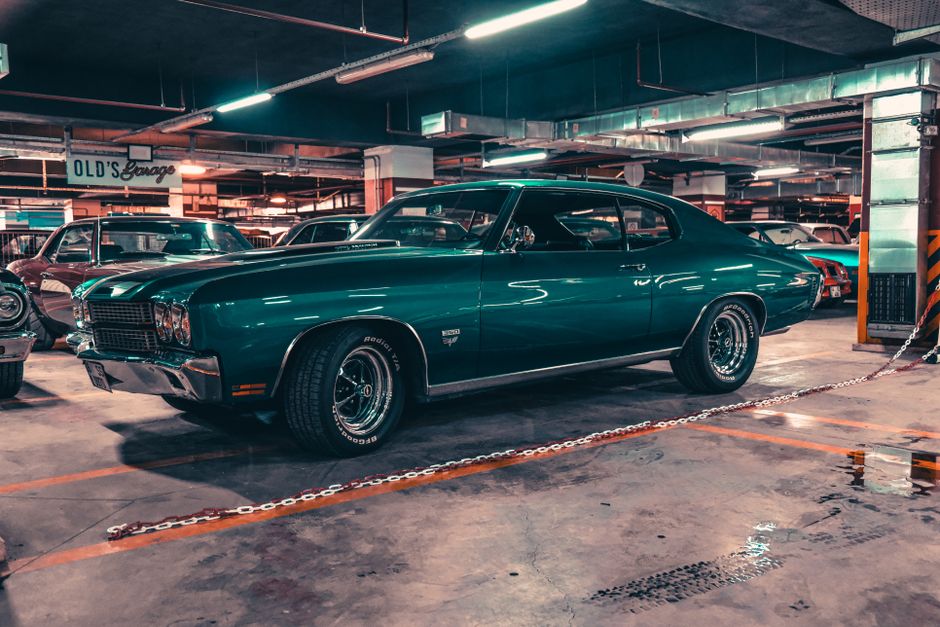
From 1964 to 1977, the Chevrolet Chevelle carved out a distinctive place in automotive history as one of America's most successful mid-size muscle cars. The nameplate achieved legendary status through models like the SS 396, SS 454, and the ultimate LS6-powered variants that delivered raw, unfiltered performance to a generation of driving enthusiasts.

The Chevelle's success stemmed from its versatility—it was simultaneously a practical family sedan, a drag strip warrior, and everything in between. This adaptability made it one of Chevrolet's best-selling models throughout its production run, with over four million units sold across all body styles and configurations.
What set the Chevelle apart from competitors was its perfect balance of affordability and performance. Unlike exotic European sports cars that demanded premium prices, the Chevelle delivered tire-shredding acceleration and quarter-mile dominance at a price point accessible to working-class Americans. This democratic approach to performance created a devoted following that persists nearly five decades after the last Chevelle rolled off the assembly line.
Modern Expectations for a 2026 Chevelle
If General Motors were to introduce a Chevy Chevelle 2026, the vehicle would need to meet dramatically different expectations than its predecessors faced. Today's performance car buyers demand sophisticated technology, advanced safety systems, and engineering precision that wasn't conceivable in the 1970s.

A contemporary Chevelle would likely share its platform with existing GM products, potentially utilizing the Alpha or Omega architecture that underpins the Camaro and Cadillac CT4-V and CT5-V models. This would provide a rigid foundation capable of handling modern powertrains while maintaining the agility expected from a performance-focused vehicle.
Weight reduction would be paramount for any new Chevelle to compete effectively against European sports sedans and coupes. The integration of carbon fiber wheels and other lightweight composite materials could reduce unsprung weight significantly, improving handling dynamics, acceleration, and braking performance simultaneously.
Engine options would likely span a broad spectrum, from turbocharged four-cylinder variants for efficiency-minded buyers to supercharged V8 engines delivering 600-plus horsepower for traditionalists who demand maximum power. Hybrid and fully electric powertrains cannot be dismissed, as General Motors has committed substantial resources to electrification across its entire portfolio.
Performance Engineering Considerations
The performance requirements for a competitive 2026 Chevelle extend far beyond engine output. Modern buyers expect comprehensive engineering that addresses every aspect of vehicle dynamics, from suspension geometry to thermal management systems.

Braking technology represents one area where contemporary vehicles dramatically surpass their classic counterparts. Where original Chevelles relied on basic drum brakes or elementary disc brake systems, a 2026 model would require carbon ceramic brake rotors capable of withstanding repeated high-speed stops without fade. These advanced braking systems offer superior heat dissipation, reduced weight, and extended service life compared to traditional iron rotors.
Wheel selection plays a crucial role in overall performance capability. Modern forged and carbon fiber wheels offer strength-to-weight ratios unimaginable during the original Chevelle era. Lighter wheels reduce rotational mass, improving acceleration, braking, and suspension response while maintaining structural integrity under aggressive driving conditions.
Aerodynamics would require careful attention to balance visual appeal with functional downforce generation. While muscle car enthusiasts appreciate bold, aggressive styling, a successful 2026 Chevelle would need to incorporate active aerodynamic elements that enhance stability at speed without compromising the muscular aesthetic that defines the nameplate.
Market Positioning and Competition
Introducing a Chevy Chevelle 2026 would place Chevrolet in direct competition with established performance sedans and coupes from both domestic and international manufacturers. The vehicle would need to differentiate itself in a crowded marketplace that includes the Dodge Charger and Challenger successors, Ford Mustang variants, and numerous European performance models.

Price positioning would be critical to the Chevelle's success. Setting the base price too high would alienate traditional Chevrolet customers who expect value-oriented performance. Conversely, pricing too aggressively could undermine perceived quality and limit profit margins necessary to justify production investment.
The target demographic for a new Chevelle would likely skew toward buyers aged 35-65 who remember the original nameplate and possess disposable income for a performance-oriented vehicle. However, attracting younger buyers would be essential for long-term brand vitality, requiring modern infotainment systems, connectivity features, and social media integration that resonates with digital natives.
Customization options would appeal to enthusiasts seeking personalization beyond factory specifications. The aftermarket for performance upgrades remains robust, with components like 2-piece performance brake kits enabling owners to tailor vehicles to specific driving preferences and performance objectives.
Physical Activity and Automotive Enthusiasm
Automotive enthusiasm and physical fitness share surprising connections that benefit overall wellbeing. Maintaining and modifying performance vehicles often requires substantial physical activity, from basic maintenance tasks to track day preparation and vehicle detailing.
According to the CDC physical activity guidance, adults should engage in at least 150 minutes of moderate-intensity aerobic activity weekly. Working on vehicles—whether installing performance upgrades, detailing bodywork, or performing routine maintenance—contributes toward this goal while providing mental stimulation and skill development.
Track driving and performance driving education further enhance the connection between automotive passion and physical wellness. The concentration, reflexes, and physical endurance required for performance driving provide both cardiovascular benefits and cognitive challenges that promote overall health.
The Future of American Muscle
Whether the Chevy Chevelle 2026 becomes reality or remains speculative depends on numerous factors including market conditions, regulatory environments, and General Motors' strategic priorities. The automaker must balance heritage appeal with contemporary performance standards while navigating increasingly stringent emissions regulations and fuel economy requirements.
The success of retro-inspired vehicles like the Ford Mustang and Dodge Challenger demonstrates sustained market appetite for muscle car aesthetics combined with modern engineering. However, these models face uncertain futures as manufacturers transition toward electrification, raising questions about whether traditional muscle car characteristics can survive in battery-electric platforms.
Advanced materials and engineering techniques offer pathways to preserve muscle car performance while meeting environmental standards. Lightweight construction using carbon fiber components, highly efficient powertrains, and sophisticated aerodynamics can deliver the acceleration and driving excitement enthusiasts demand while reducing environmental impact.
The enthusiast community's response to a potential Chevelle revival would likely be enthusiastic but measured. Purists may resist dramatic departures from original formulas, while others embrace technological advancement as necessary evolution. Balancing these perspectives requires careful product planning and transparent communication about design philosophy and engineering objectives.
Conclusion
The concept of a Chevy Chevelle 2026 represents more than automotive speculation—it embodies questions about how American automakers honor heritage while embracing innovation. Whether General Motors ultimately revives this legendary nameplate remains uncertain, but the conversation itself demonstrates the enduring appeal of classic muscle cars and their cultural significance.
For performance vehicle owners seeking to enhance their current rides, modern upgrades offer dramatic improvements over stock configurations. Advanced components including carbon ceramic braking systems, lightweight forged wheels, and precision-engineered carbon fiber parts enable enthusiasts to extract maximum performance from luxury and exotic vehicles.
Players Club Cars specializes in providing these high-performance components for discerning owners of Ferrari, Lamborghini, Porsche, Mercedes-AMG, and other prestigious marques. Whether optimizing a current vehicle or preparing for the next generation of American muscle, precision-engineered upgrades deliver measurable performance improvements and aesthetic distinction that separate exceptional vehicles from ordinary transportation.