

Monoblock Wheels: the Ultimate Guide
Monoblock Wheels: the Ultimate Guide
When it comes to high-performance wheel design, monoblock wheels represent the pinnacle of engineering excellence and structural integrity. For owners of luxury sports cars and performance vehicles like Ferrari, Lamborghini, Mercedes-AMG, and Porsche, understanding the advantages of monoblock wheel construction is essential for making informed upgrade decisions. This comprehensive guide explores what makes monoblock wheels the preferred choice among discerning automotive enthusiasts who demand the best in performance, aesthetics, and reliability.
Understanding Monoblock Wheel Construction
Monoblock wheels are manufactured from a single piece of forged aluminum or other high-strength alloy. Unlike multi-piece wheels that consist of separate components bolted together, monoblock designs feature a unified construction where the wheel barrel, spokes, and center section are all formed from one continuous billet of material. This manufacturing approach creates a wheel that is inherently stronger, lighter, and more durable than alternative designs.
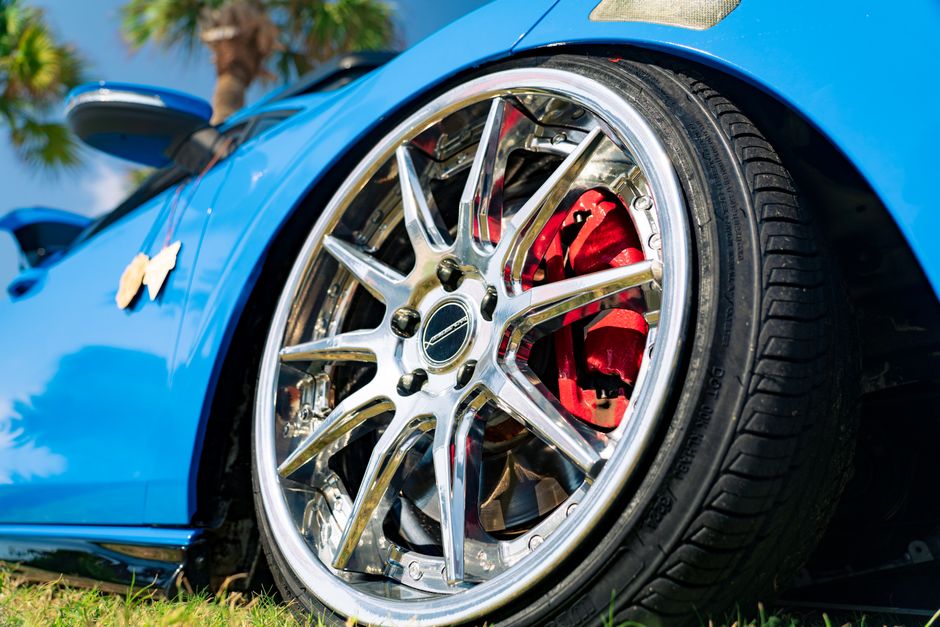
The production process begins with a solid cylindrical billet of aerospace-grade aluminum alloy. Through an intensive forging process involving thousands of tons of pressure, the material is compressed and shaped into the desired wheel form. This forging process realigns the metal's grain structure, creating a denser molecular composition that significantly enhances strength while reducing overall weight.
After the initial forging, precision CNC machining removes excess material and creates the final spoke design, mounting surfaces, and intricate details. This subtractive manufacturing process allows for complex geometries and weight optimization strategies that would be impossible with casting methods. The result is a wheel that offers an exceptional strength-to-weight ratio, making forged monoblock wheels the ideal choice for high-performance applications.
Performance Advantages of Monoblock Design
The performance benefits of monoblock wheels extend far beyond mere aesthetics. The unified construction eliminates the potential weak points inherent in multi-piece designs, where separate components are joined together. Without bolted connections between the barrel and center section, monoblock wheels can withstand higher stress loads and extreme driving conditions without risk of separation or failure.
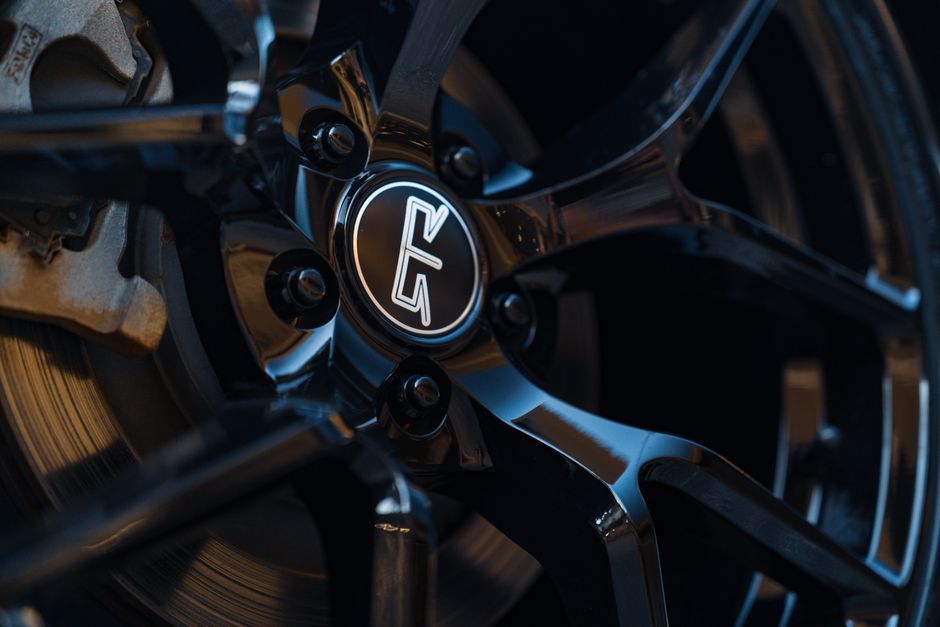
Weight reduction is another critical advantage. By eliminating the additional hardware, seals, and overlapping material required in two-piece or three-piece wheel designs, monoblock construction achieves significant mass savings. This reduction in unsprung weight directly translates to improved acceleration, braking performance, and suspension responsiveness. For vehicles like the Porsche 911 Turbo or Lamborghini Huracan, even a few pounds of rotational mass reduction per wheel can yield noticeable performance improvements.
The structural rigidity of monoblock wheels also enhances handling precision. The absence of flex between separate wheel components means that steering inputs are transmitted more directly to the tire contact patch. This improved responsiveness gives drivers greater confidence during aggressive cornering and high-speed maneuvers, which is why professional racing applications predominantly utilize monoblock designs.
Furthermore, the seamless construction provides superior balance characteristics. Without the inherent tolerances associated with assembling multiple components, monoblock wheels can be manufactured to tighter specifications, reducing the need for extensive balancing weights and delivering smoother operation at all speeds.
Material Science and Engineering Excellence
The materials used in monoblock wheel manufacturing play a crucial role in determining performance characteristics. Most high-quality monoblock wheels utilize 6061-T6 or 7075-T6 aluminum alloys, both of which offer exceptional strength properties while maintaining relatively low density. These aerospace-grade materials undergo heat treatment processes that further enhance their mechanical properties.

The forging process itself is what sets monoblock wheels apart from cast alternatives. While cast wheels are created by pouring molten aluminum into molds, forged wheels are formed under extreme pressure. This compression eliminates porosity and air pockets while creating a denser, more uniform grain structure. The result is a wheel that can be up to three times stronger than a cast equivalent of the same weight, or alternatively, significantly lighter than a cast wheel of comparable strength.
Advanced manufacturers employ flow-forming technology in conjunction with forging to optimize material distribution. This process stretches and compresses the wheel barrel, creating specific thickness variations that place material exactly where it's needed for strength while removing excess weight from less critical areas. The combination of forging and flow-forming represents the current state-of-the-art in precision engineered automotive components technology.
Quality control throughout the manufacturing process ensures that each wheel meets stringent performance standards. Non-destructive testing methods, including X-ray inspection and ultrasonic analysis, verify structural integrity without compromising the finished product. This level of scrutiny is essential for components that must reliably support the weight and performance demands of exotic vehicles.
Aesthetic Customization and Design Flexibility
While performance is paramount, the visual impact of monoblock wheels cannot be overlooked. The manufacturing process allows for virtually unlimited design possibilities, from classic multi-spoke patterns to modern directional designs. CNC machining enables the creation of intricate details, complex concave profiles, and precisely defined surfaces that would be difficult or impossible to achieve with other manufacturing methods.
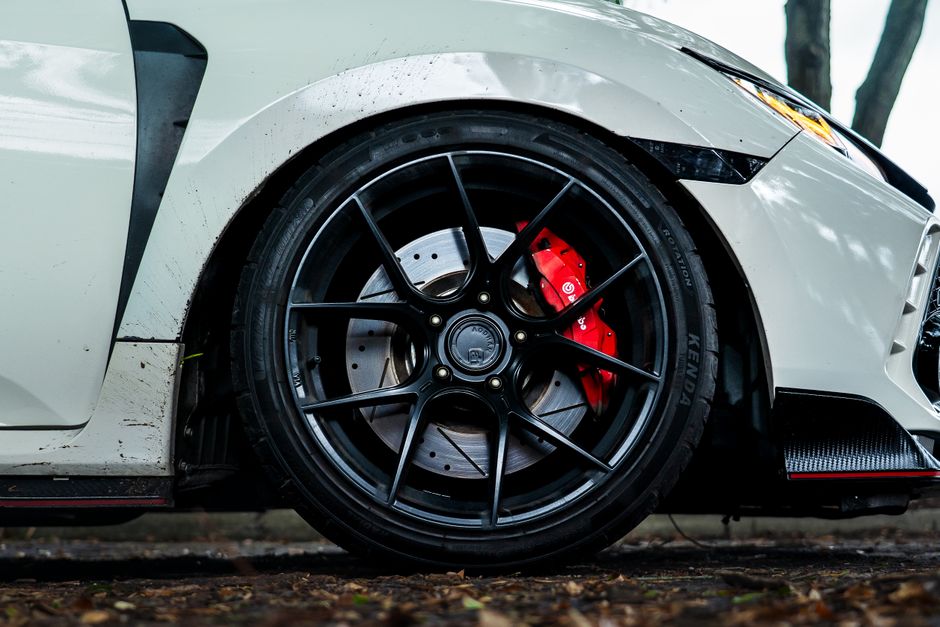
Finishing options for monoblock wheels are extensive. Brushed aluminum, polished surfaces, powder coating, and custom paint finishes allow owners to perfectly complement their vehicle's aesthetic. For those seeking the ultimate in luxury and performance, specialized finishes including PVD coating or ceramic treatments provide additional durability and unique visual effects.
The ability to customize offset, width, and diameter specifications means that monoblock wheels can be tailored to each vehicle's specific requirements. This customization ensures proper fitment, optimal suspension geometry, and the desired stance without compromising clearance for brake components. When paired with carbon ceramic brake systems, the engineering precision of monoblock wheels ensures seamless integration and maximum performance.
Maintenance and Long-Term Durability
One of the often-overlooked advantages of monoblock wheel construction is simplified maintenance. Unlike multi-piece wheels that require periodic inspection and retorquing of assembly bolts, monoblock designs have no internal fasteners to maintain. This eliminates the need for disassembly to check seal integrity or address potential air leaks, making ownership more straightforward.
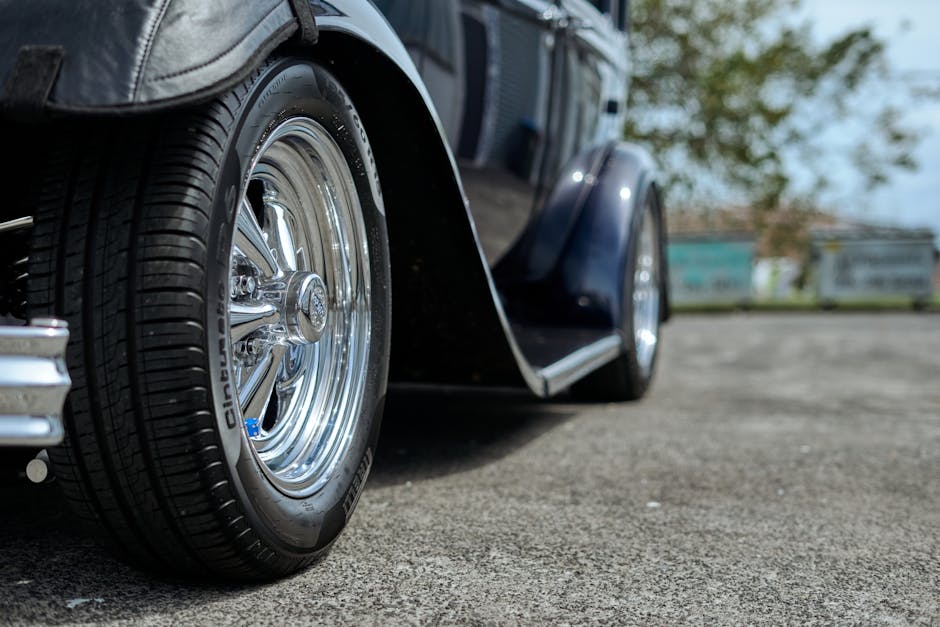
The sealed nature of monoblock construction also provides inherent corrosion resistance. Without crevices between assembled components where moisture and road chemicals can accumulate, monoblock wheels are less susceptible to galvanic corrosion and finish degradation. Proper cleaning and occasional protective coating application will maintain the wheel's appearance and integrity for years of reliable service.
Despite their robust construction, monoblock wheels should be regularly inspected for impact damage, particularly after encountering potholes or road debris. While the forged construction provides excellent impact resistance, severe strikes can cause bending or cracking. Professional inspection and refurbishment services can often repair minor damage, restoring wheels to their original specifications.
The investment in quality monoblock wheels pays dividends over time. Their superior durability means they typically outlast cast alternatives, and their timeless design ensures they remain visually relevant even as automotive styling trends evolve. For owners of vehicles from marques like Ferrari, AMG, and Lamborghini, this longevity makes monoblock wheels a sound long-term investment.
Choosing the Right Monoblock Wheels for Your Vehicle
Selecting appropriate monoblock wheels requires careful consideration of several factors. Diameter, width, and offset must be chosen to ensure proper fitment without interfering with suspension components, brake calipers, or bodywork. For modern performance vehicles equipped with large brake packages, particularly those with high-performance brake systems, adequate spoke clearance is essential.
Load rating is another critical specification, especially for heavier vehicles or those experiencing significant performance driving loads. Each wheel should be rated to safely support its portion of the vehicle's weight with an appropriate safety margin. Reputable manufacturers provide detailed load rating information and can recommend specifications based on your specific vehicle model and intended use.
Consultation with experienced specialists ensures optimal wheel selection. Factors including tire availability, speedometer calibration, and aesthetic preferences should all be considered. Custom wheel programs allow for bespoke specifications tailored to individual requirements, whether prioritizing maximum weight savings, specific design elements, or particular performance characteristics.
When investing in premium monoblock wheels, authenticity and quality verification are paramount. Working with authorized dealers and established manufacturers ensures you receive genuine products backed by warranties and engineering support. Counterfeit wheels may appear similar but lack the materials, manufacturing precision, and testing that make authentic monoblock wheels safe and reliable. This level of detail is also crucial when exploring luxury car customization trends for your vehicle.
Conclusion
Monoblock wheels represent the convergence of engineering excellence, performance optimization, and aesthetic sophistication. Their superior strength-to-weight ratio, structural integrity, and manufacturing precision make them the discerning choice for luxury and exotic vehicle owners who refuse to compromise. Whether you're enhancing a Porsche, Ferrari, Lamborghini, or Mercedes-AMG, investing in quality monoblock wheels delivers tangible performance benefits alongside timeless visual appeal. The combination of advanced materials, precision manufacturing, and thoughtful design creates components worthy of the world's finest automobiles, ensuring that every drive delivers the excellence you expect from your high-performance vehicle. For those eagerly anticipating future models, these considerations are equally important, as demonstrated in our insights on the 2026 Chevy Chevelle: What to Expect.