

2026 Chevy Chevelle: What to Expect
2026 Chevy Chevelle: What to Expect
The automotive world is buzzing with speculation about the potential return of the iconic Chevy Chevelle in 2026. This legendary nameplate, which dominated American muscle car culture from 1964 to 1977, represents a golden era of performance and style. While General Motors has not officially confirmed a 2026 Chevelle release, the convergence of market trends, technological advancements, and renewed interest in muscle car heritage makes this an opportune moment to examine what a modern Chevelle could offer enthusiasts and performance car owners.
The Legacy and Potential Revival
The Chevrolet Chevelle holds a revered place in American automotive history. Originally introduced as a mid-size offering, it quickly evolved into one of the most sought-after muscle cars of its generation, particularly in SS trim with big-block V8 engines. The Chevelle's combination of aggressive styling, powerful performance, and relative affordability created a formula that resonated with driving enthusiasts for over a decade.
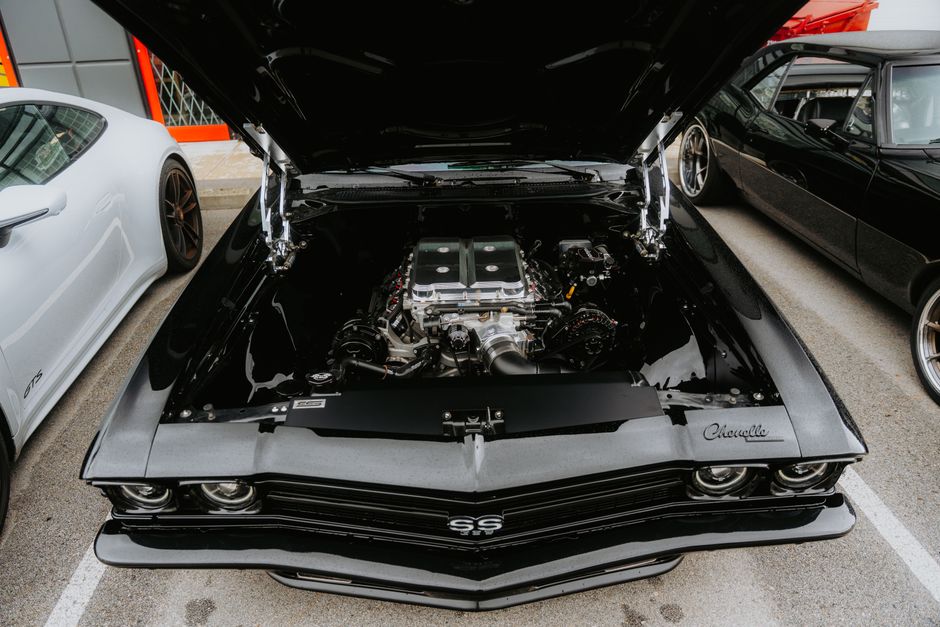
If Chevrolet were to resurrect the Chevelle nameplate for 2026, it would join a growing trend of automakers reviving classic models with modern technology. The success of vehicles like the Dodge Challenger and Ford Mustang demonstrates sustained market appetite for performance-oriented vehicles that honor their heritage while incorporating contemporary engineering and safety features.
A 2026 Chevelle would likely need to balance nostalgic design cues with cutting-edge performance capabilities. Given current automotive industry trends, this could mean incorporating hybrid or even fully electric powertrains alongside traditional internal combustion options, creating a diverse lineup that appeals to various buyer preferences while meeting increasingly stringent emissions regulations.
Expected Performance Specifications
Based on General Motors' current performance portfolio and engineering capabilities, a hypothetical 2026 Chevelle would likely feature multiple powertrain options to address different market segments. The base model might incorporate a turbocharged four-cylinder engine producing approximately 275-300 horsepower, providing an entry point for younger buyers while maintaining respectable performance credentials.

Mid-tier variants could feature naturally aspirated or supercharged V8 engines derived from the current Corvette and Camaro platforms, potentially delivering between 450-500 horsepower. These engines would represent the traditional muscle car experience that enthusiasts expect from the Chevelle name, with substantial torque figures and the unmistakable sound of American V8 power.
For ultimate performance, a range-topping SS or ZL1 variant might produce upwards of 650 horsepower, competing directly with high-performance offerings from Dodge and Ford. Such a model would benefit significantly from advanced aftermarket components including carbon fiber wheels that reduce unsprung weight and improve handling dynamics, as well as carbon ceramic brake rotors for superior stopping power and fade resistance during aggressive driving.
Design Philosophy and Modern Aesthetics
The design of a 2026 Chevelle would represent perhaps the most challenging aspect of the vehicle's development. Chevrolet designers would need to extract recognizable styling elements from the original Chevelle while creating a contemporary appearance that doesn't appear retro or dated. This balance is crucial for attracting both nostalgic buyers who remember the original and younger enthusiasts seeking modern performance credentials.
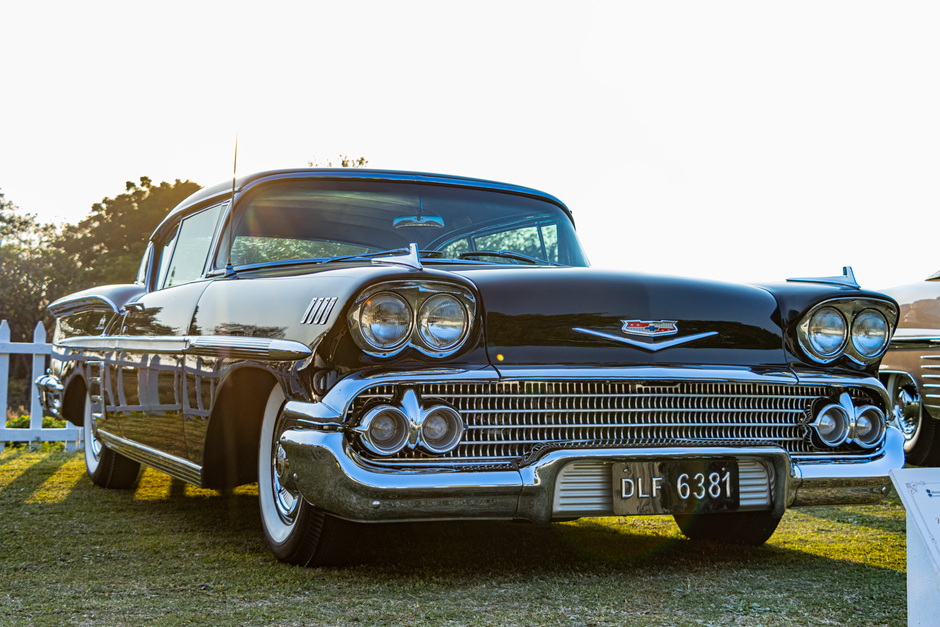
Key design elements would likely include a long hood and short deck proportion reminiscent of classic muscle cars, aggressive front fascia with modern LED lighting technology, and sculpted body lines that suggest power and movement even when stationary. The roofline might feature a subtle fastback profile, paying homage to particularly desirable classic Chevelle variants while improving aerodynamic efficiency.
Interior design would necessarily incorporate modern luxury and technology features expected by contemporary buyers. This means high-quality materials, advanced infotainment systems with large touchscreens, comprehensive driver assistance features, and customizable digital instrumentation. However, designers might include retro-inspired gauge clusters or toggle switches as optional features to satisfy traditionalists seeking tangible connections to the original Chevelle experience.
Technology and Advanced Features
A 2026 model year vehicle would require comprehensive technological integration to remain competitive in today's automotive market. Advanced driver assistance systems would likely include adaptive cruise control, lane keeping assistance, automatic emergency braking, and blind spot monitoring as standard or available features. These systems not only improve safety but are increasingly expected by insurance companies and regulatory bodies.

The infotainment system would feature seamless smartphone integration through Apple CarPlay and Android Auto, high-quality audio systems, and potentially over-the-air software update capabilities. Performance-oriented technology might include adjustable drive modes that alter throttle response, transmission behavior, suspension settings, and exhaust sound characteristics to suit different driving conditions and preferences.
For track-focused variants, performance data recording systems would allow drivers to analyze their driving technique, record lap times, and share achievements through integrated social media connectivity. These features recognize that modern performance car owners often participate in track days and driving events, activities that benefit from physical fitness and stamina as noted by organizations like the American College of Sports Medicine in their research on activities requiring physical endurance.
Performance Upgrade Potential
One of the most appealing aspects of any performance vehicle is its potential for customization and enhancement. A 2026 Chevelle platform would undoubtedly attract significant aftermarket support, allowing owners to personalize their vehicles beyond factory specifications. This has been a hallmark of muscle car culture since the original Chevelle era, when owners regularly modified their vehicles for improved performance and distinctive appearance.
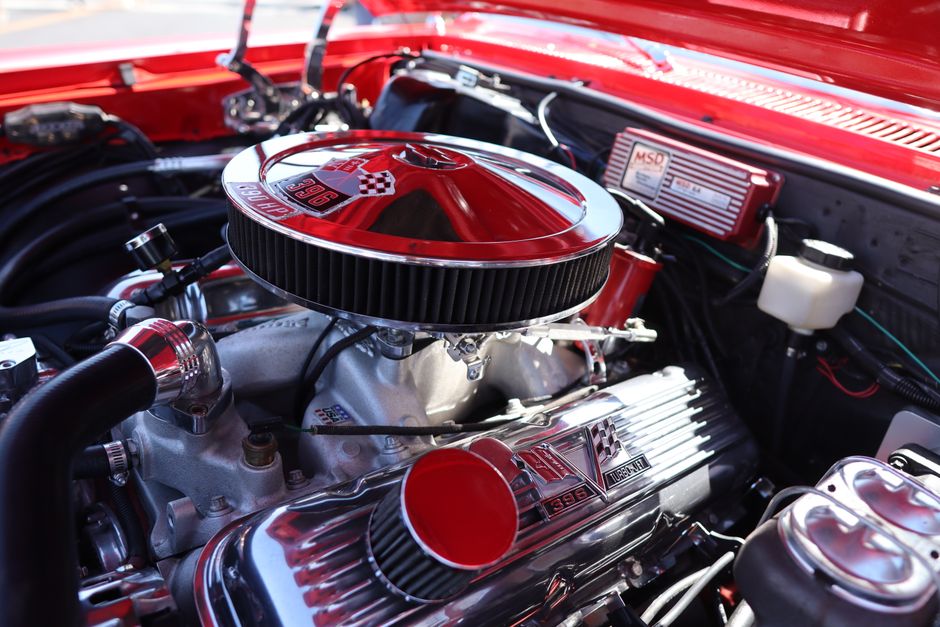
Modern performance upgrades extend far beyond simple engine modifications. Advanced precision-engineered components can dramatically reduce rotational mass, improving acceleration, braking, and handling characteristics while creating a distinctive visual statement. These represent the intersection of aesthetics and functional performance enhancement.
Braking system upgrades would be particularly relevant for a high-performance Chevelle. Factory brake systems, while competent for street driving, often reach their limits during track use or aggressive mountain driving. Upgrading to performance brake kits provides improved heat dissipation, reduced weight, and enhanced stopping power. These systems feature floating rotor designs that accommodate thermal expansion while maintaining optimal pad contact and braking consistency.
Aerodynamic enhancements including front splitters, rear spoilers, and underbody panels could improve high-speed stability and downforce generation. Carbon fiber construction for these components offers strength and rigidity while minimizing weight addition, aligning with the overall performance philosophy that prioritizes power-to-weight ratios and handling precision.
Market Position and Competition
A 2026 Chevelle would enter a competitive but somewhat diminished muscle car market. With Dodge discontinuing the Challenger and uncertainty surrounding future internal combustion performance vehicles, Chevrolet might find opportunity in filling a market void. The Chevelle would need to be positioned carefully to avoid cannibalizing Camaro sales while offering distinct characteristics that justify its existence in the GM performance lineup.
Pricing strategy would be crucial for market success. A base model priced in the low-to-mid $30,000 range would make the Chevelle accessible to younger buyers and first-time performance car owners. Mid-range variants in the $45,000-$60,000 bracket would compete directly with well-equipped Mustangs and remaining Dodge performance vehicles. Range-topping models could extend into the $70,000-$80,000 territory, justifying premium pricing through exceptional performance and exclusive features.
The vehicle would need to appeal to diverse buyer demographics including nostalgic Baby Boomers who owned original Chevelles, Generation X buyers seeking powerful performance vehicles, and younger Millennials and Generation Z enthusiasts attracted to the nameplate's heritage and modern capabilities. This broad appeal requires careful marketing and multiple trim levels that address different priorities and budget constraints.
Conclusion
While the 2026 Chevy Chevelle remains speculative at this point, the potential for such a vehicle captures the imagination of performance car enthusiasts worldwide. A modern interpretation of this iconic nameplate would need to honor its heritage while incorporating contemporary technology, safety features, and performance capabilities expected by today's discerning buyers.
Whether powered by traditional V8 engines, advanced turbocharged powerplants, or hybrid systems, a new Chevelle would undoubtedly attract significant attention from the automotive community. The vehicle's success would depend on thoughtful design, competitive pricing, and compelling performance that justifies revival of such a legendary name. For owners seeking to maximize their performance vehicle's capabilities, exploring luxury car customization trends offers pathways to enhanced performance, improved aesthetics, and truly personalized driving experiences that extend well beyond factory specifications.
As the automotive industry continues evolving toward electrification and advanced driver assistance technologies, the window for traditional muscle car experiences may be narrowing. A 2026 Chevelle could represent one of the final opportunities to experience American performance heritage in a new vehicle, making it potentially significant not just as a performance car, but as an automotive milestone marking the transition between eras.