

How to Choose Performance Brake Rotors
How to Choose Performance Brake Rotors
When you own a high-performance luxury vehicle like a Ferrari, Lamborghini, Porsche, or AMG, every component matters. Your brake rotors are not just safety equipment—they're precision-engineered components that dramatically affect your vehicle's performance, handling, and overall driving experience. Choosing the right performance brake rotors requires understanding material science, thermal management, your driving style, and the specific demands you place on your vehicle.
The brake rotor market has evolved significantly beyond standard cast iron discs. Today's performance enthusiasts can choose from advanced materials and designs that offer superior stopping power, reduced weight, and exceptional fade resistance. This guide will help you navigate the complex world of performance brake rotors and make an informed decision that matches your vehicle and driving needs.
Understanding Rotor Materials and Technologies
The material composition of your brake rotors fundamentally determines their performance characteristics, longevity, and price point. Each material offers distinct advantages and trade-offs that you must weigh against your specific requirements.
Carbon ceramic brake rotors represent the pinnacle of braking technology. These rotors combine carbon fibers with ceramic silicon carbide in a high-temperature manufacturing process that creates an incredibly durable, lightweight, and heat-resistant braking surface. Carbon ceramic rotors typically weigh 50% less than equivalent cast iron rotors, reducing unsprung weight and improving handling dynamics. They maintain consistent performance across extreme temperature ranges and resist fade even during aggressive track driving. The carbon ceramic brake rotors available for modern luxury performance vehicles can last up to 100,000 miles or more under normal driving conditions, far exceeding traditional rotor lifespans.
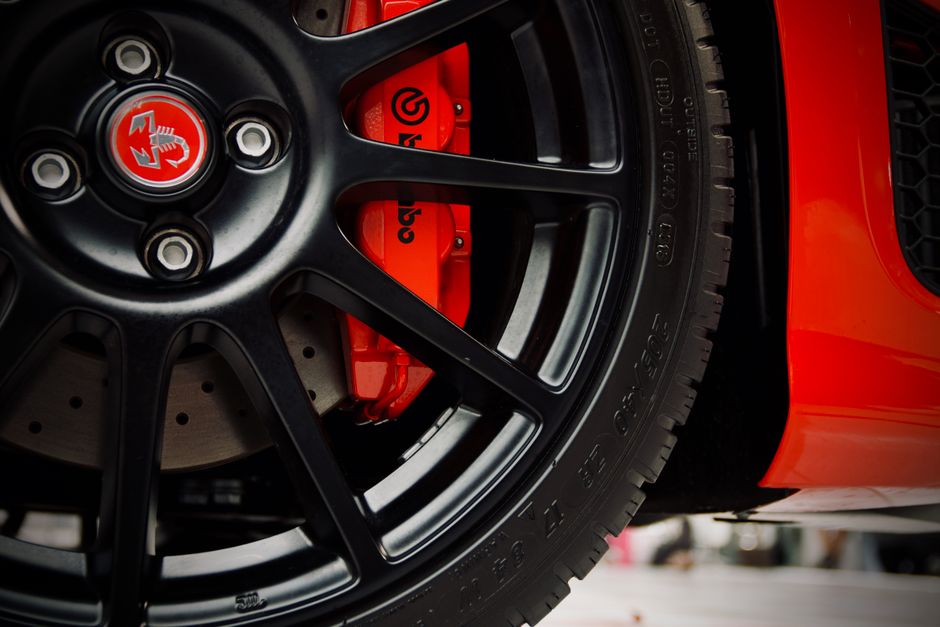
Two-piece rotors feature a separate friction ring and aluminum hat. This design offers several performance advantages: the aluminum center section reduces overall weight, different materials can expand and contract independently without warping, and the hat dissipates heat more effectively than cast iron. The floating rotor design allows the friction ring to move slightly, maintaining even pad contact and reducing stress on the mounting points. Many serious performance drivers choose 2-piece performance brake kits as an excellent middle ground between cost and performance enhancement.
Traditional one-piece cast iron rotors remain common on many production vehicles. While they lack the advanced characteristics of exotic materials, high-quality cast iron rotors with proper metallurgy can still deliver excellent performance for street driving and occasional spirited driving. They're more affordable, readily available, and easier to replace than advanced alternatives.
Evaluating Your Driving Style and Requirements
Your intended use significantly influences which rotor technology makes the most sense. An honest assessment of how you actually drive—rather than how you imagine you might drive—will guide you toward the right investment.
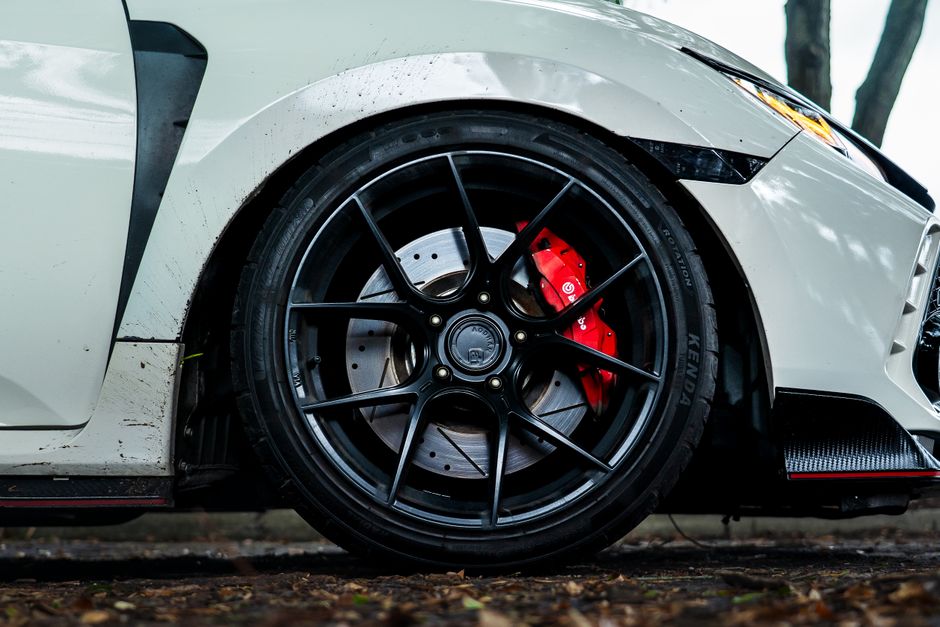
For track day enthusiasts and competitive drivers, thermal management becomes the primary concern. Repeated hard braking from high speeds generates enormous heat that must be managed effectively to prevent brake fade, fluid boiling, and rotor warping. Carbon ceramic rotors excel in this environment, maintaining consistent bite and modulation even when glowing red hot. Their ability to absorb and dissipate heat without performance degradation makes them invaluable for serious track work.
Street performance driving with occasional spirited canyon runs or highway trips requires balanced performance. You need rotors that handle occasional hard stops without fade while remaining quiet, smooth, and reliable during daily driving. Two-piece rotors with cross-drilled or slotted surfaces often provide an ideal compromise, offering improved cooling and pad degassing without the significant investment of carbon ceramics.
For luxury GT touring where comfort and longevity matter more than ultimate performance, premium cast iron or entry-level two-piece systems deliver excellent value. These setups provide more than adequate stopping power for street driving while minimizing noise and maximizing pad life.
Sizing and Fitment Considerations
Larger rotors provide more stopping power through increased surface area and improved leverage, but they must fit within your wheel design and accommodate your brake caliper setup. Understanding the relationship between rotor diameter, thickness, and wheel clearance prevents costly mistakes.

Rotor diameter directly affects braking torque. A larger diameter rotor allows the brake pad to apply force at a greater distance from the hub center, increasing mechanical advantage. Many performance brake upgrades increase rotor diameter by 20-40mm, significantly improving stopping power. However, this requires adequate wheel clearance—you may need to verify that your current wheels or plan for new ones. The forged and carbon fiber wheels designed for exotic vehicles often accommodate larger brake packages while reducing rotational mass.
Rotor thickness affects heat capacity and longevity. Thicker rotors absorb more heat before reaching critical temperatures, but they also add weight. Performance rotors typically range from 28mm to 36mm thick, depending on application. You must also consider wear life—thinner rotors reach their minimum safe thickness faster and require more frequent replacement.
Proper fitment extends beyond simple diameter measurements. Hat offset, mounting bolt patterns, center bore diameter, and hub pilot dimensions must all match your vehicle's specifications exactly. Even minor discrepancies can cause vibration, uneven pad wear, or dangerous mounting issues. Always verify complete fitment specifications before purchasing performance rotors.
Surface Treatments and Design Features
The rotor friction surface design influences cooling efficiency, pad interaction, and noise characteristics. Different surface treatments suit different applications and driving styles.

Blank or smooth rotors provide maximum pad contact area and typically run quieter than drilled or slotted alternatives. They work excellently for street driving and offer good longevity. Modern high-quality cast iron with proper metallurgy can perform admirably with blank surfaces, especially when paired with premium brake pads.
Cross-drilled rotors feature holes bored through the friction surface. Originally developed for racing applications where resin-based pad materials needed escape routes for outgassing, drilled rotors also improve wet-weather performance by channeling water away from the pad contact area. The holes provide additional cooling surface area and can reduce weight slightly. However, the holes create stress concentration points that can lead to cracking under extreme use. Quality matters enormously with drilled rotors—properly manufactured rotors with chamfered holes and appropriate metallurgy resist cracking, while cheap alternatives may fail prematurely.
Slotted rotors feature machined grooves across the friction surface. These slots continuously refresh the pad surface by shaving away the top layer, maintaining consistent friction and preventing glazing. Slots also provide gas escape routes and improve wet performance. Many track drivers prefer slotted over drilled rotors because slots don't create the same structural weaknesses. Some performance rotors combine drilling and slotting to maximize benefits, though this aggressive treatment works best with high-quality materials and manufacturing.
Compatibility with Brake Pads and Calipers
Your brake rotors don't operate in isolation—they're part of an integrated system where every component affects overall performance. Matching rotors with appropriate pads and calipers ensures optimal results.
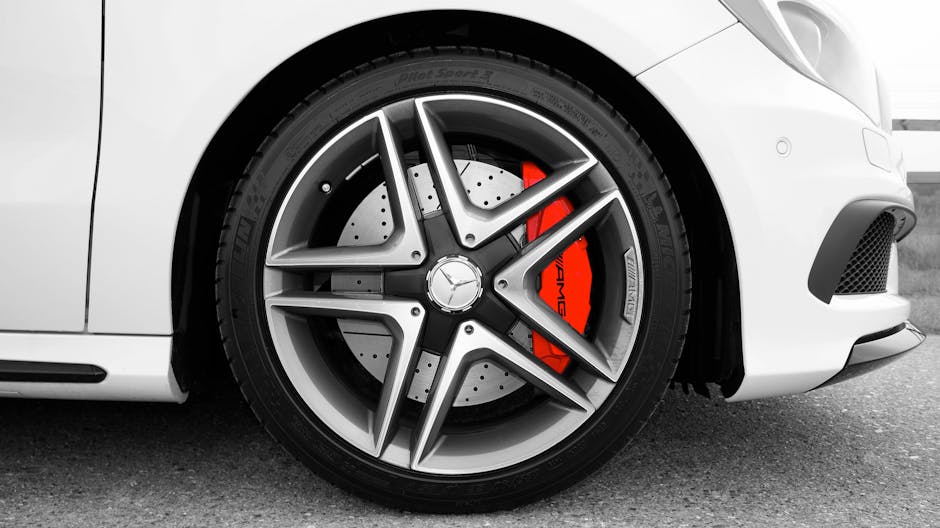
Carbon ceramic rotors require specific pad compounds designed for their unique friction characteristics. Standard organic or semi-metallic pads won't generate sufficient friction against ceramic surfaces. Specialized pads for carbon ceramic rotors cost significantly more than conventional pads but provide the performance these advanced rotors deliver. When considering carbon ceramic brake kits for Lamborghini or similar applications, budget for appropriate pad compounds throughout the rotors' service life.
Caliper piston area and pad size must match rotor dimensions. Larger rotors may require caliper upgrades or extensive modifications to maintain proper brake bias and pedal feel. Complete brake systems designed as integrated packages ensure all components work harmoniously together.
Brake pad compounds should match your driving style and rotor material. Track pads offer excellent high-temperature performance but may perform poorly when cold, create excessive dust, and wear rotors faster. Street pads prioritize smooth operation, low dust, and quiet performance but may fade under track conditions. Many enthusiasts maintain multiple pad sets, swapping them based on intended use.
Cost-Benefit Analysis and Long-Term Value
Performance brake rotors represent a significant investment that varies dramatically based on materials and manufacturing quality. Understanding long-term costs helps justify initial expenditure.
Carbon ceramic rotors command premium pricing—often several thousand dollars per axle for exotic vehicles. However, their exceptional durability means they may never require replacement during your ownership. When you factor in the cost of multiple cast iron rotor replacements over 60,000-100,000 miles, carbon ceramics become more economically reasonable. They also retain value better when it's time to sell your vehicle, as many buyers specifically seek cars equipped with carbon ceramic brakes.
Two-piece performance rotors typically cost 2-3 times more than premium cast iron alternatives but offer compelling benefits. Weight reduction improves handling and acceleration, enhanced cooling prevents fade during spirited driving, and the ability to replace friction rings without replacing the entire assembly reduces long-term costs. For drivers who regularly exercise their vehicles' performance capabilities, this middle-tier option delivers excellent value.
Premium cast iron rotors from reputable manufacturers provide solid performance at reasonable cost. While they lack the exotic appeal of advanced materials, high-quality cast iron with proper heat treatment and metallurgy handles street driving and occasional performance use admirably. They're widely available and can be serviced at any competent shop.
Don't overlook the complete system cost. Rotors require appropriate pads, potentially new calipers, upgraded brake lines, and possibly wheel modifications. Budget for the complete installation rather than rotors alone to avoid surprises.
Conclusion
Choosing performance brake rotors for your luxury sports car demands careful consideration of materials, driving requirements, fitment specifications, and long-term value. Carbon ceramic rotors deliver ultimate performance and longevity for serious driving enthusiasts who demand the absolute best. Two-piece rotors offer an excellent balance of improved performance and reasonable cost for those seeking noticeable upgrades without extreme expense. Even premium cast iron rotors can serve well when properly matched to your actual driving style.
The key lies in honest self-assessment: evaluate how you really use your vehicle, what performance characteristics matter most to you, and how long you plan to keep the car. Your brake rotors directly affect safety, performance, and driving confidence. Investing in quality components from manufacturers who understand the specific demands of exotic vehicles ensures you get components engineered to the same exacting standards as your Ferrari, Lamborghini, Porsche, or AMG.
Whether you're upgrading from factory equipment or replacing worn performance rotors, choosing wisely means balancing immediate performance needs with long-term value and enjoyment. The right brake rotors transform your driving experience, providing confidence-inspiring stops that let you fully exploit your vehicle's remarkable capabilities. Additionally, for owners looking to outfit their McLaren 720S with the best components, understanding aftermarket parts for the McLaren 720S is crucial for a cohesive upgrade plan. Similarly, for those who want to get into the specifics of ceramic brake longevity and maintenance, proper care can significantly extend the life and performance of these high-end components.