

Precision Engineered Automotive Components
Precision Engineered Automotive Components
The world of high-performance luxury vehicles demands more than standard factory equipment. For discerning owners of Ferrari, Lamborghini, Porsche, Mercedes-AMG, and other elite marques, precision engineered automotive components represent the pinnacle of aftermarket excellence. These meticulously crafted parts combine advanced materials science, aerospace-grade manufacturing processes, and uncompromising quality standards to deliver performance and aesthetic improvements that elevate already exceptional vehicles to new heights.
Precision engineering in the automotive sector has evolved dramatically over the past decade. What once required bespoke fabrication and extended lead times can now be achieved through advanced manufacturing techniques that maintain exacting tolerances while producing components worthy of the world's most prestigious automobiles. This transformation has opened new possibilities for vehicle customization without compromising the integrity, safety, or performance characteristics that define luxury sports cars.
The Science Behind Precision Automotive Engineering
Precision engineered components distinguish themselves through tolerances measured in microns rather than millimeters. This level of accuracy requires state-of-the-art CNC machining centers, computer-aided design systems, and rigorous quality control protocols. When manufacturing components for vehicles capable of speeds exceeding 200 miles per hour, there is no margin for error.

The engineering process begins with computational analysis that simulates real-world stresses and operating conditions. Engineers utilize finite element analysis to identify potential weak points and optimize material distribution. This digital prototyping phase allows designers to test countless iterations before a single physical component is produced, ensuring that the final product meets or exceeds OEM specifications.
Material selection plays an equally critical role. Carbon fiber wheels, for example, require precise fiber layup patterns to achieve optimal strength-to-weight ratios. The orientation of each carbon fiber layer affects torsional rigidity, impact resistance, and thermal characteristics. Similarly, forged aluminum wheels undergo heat treatment processes that align the metal's grain structure for maximum durability.
Testing protocols for precision components often exceed industry standards. Components undergo stress testing, thermal cycling, impact resistance evaluation, and fatigue analysis. For critical safety systems like braking components, manufacturers conduct thousands of simulated stops under extreme conditions before certification. This exhaustive validation process ensures that aftermarket components not only match but often surpass factory specifications.
Carbon Fiber Technology in Modern Performance Vehicles
Carbon fiber has transformed automotive manufacturing, offering strength comparable to steel at a fraction of the weight. This remarkable material consists of thin carbon filaments woven into fabric and bonded with epoxy resin. The resulting composite exhibits exceptional stiffness, low thermal expansion, and outstanding fatigue resistance.

In wheel manufacturing, carbon fiber construction delivers multiple performance advantages. Reduced unsprung weight improves suspension response, allowing dampers to better control tire contact with the road surface. This translates to enhanced handling precision, particularly during rapid directional changes. The weight savings also reduce rotational inertia, improving acceleration and braking performance.
The manufacturing process for carbon fiber components requires cleanroom environments and precise temperature control. Each layer of carbon fiber must be applied with exact orientation and compacted to eliminate voids. The curing process typically occurs in autoclaves under elevated temperature and pressure, ensuring complete resin penetration and optimal mechanical properties.
Players Club Cars specializes in forged and carbon fiber wheels that demonstrate the pinnacle of this technology. These components undergo rigorous testing to meet the demanding requirements of high-performance applications, ensuring that they perform flawlessly under the extreme conditions experienced by exotic vehicles. Owners also frequently explore options for Carbon Fiber Engine Bay Accents for Sports Cars to further enhance their vehicle's aesthetic and performance.
Advanced Braking Systems for Ultimate Performance
Braking systems represent perhaps the most critical performance component on any vehicle. For luxury sports cars capable of extraordinary speeds, advanced braking technology isn't merely desirable—it's essential. Carbon ceramic brake rotors have become the gold standard for high-performance applications, offering capabilities that traditional cast iron rotors simply cannot match.

Carbon ceramic rotors consist of carbon fibers embedded in a silicon carbide matrix. This composite material withstands temperatures exceeding 1,800 degrees Fahrenheit without fade, maintaining consistent friction characteristics even during repeated high-speed stops. The material's low density results in rotors that weigh approximately 50 percent less than equivalent cast iron components.
The manufacturing process for carbon ceramic rotors involves multiple stages spanning several weeks. Carbon fiber preforms are infiltrated with silicon through chemical vapor deposition or liquid silicon infiltration. The resulting material exhibits remarkable hardness, thermal stability, and resistance to wear. A single set of carbon ceramic brake rotors can last the lifetime of the vehicle under normal driving conditions.
Two-piece rotor designs offer additional advantages for performance-oriented applications. These systems feature an aluminum hat section that mounts to the wheel hub, mechanically attached to the braking surface through floating hardware. This configuration allows the rotor to expand and contract independently from the mounting hardware, reducing thermal stress and eliminating warping that can occur with one-piece designs. The 2-piece performance brake kit represents an ideal solution for drivers seeking maximum performance with enhanced longevity. Learning How to Choose Performance Brake Rotors is crucial for optimal results.
Forged Wheel Manufacturing Excellence
Forged wheel manufacturing represents a distinct approach to creating high-strength, lightweight components. Unlike cast wheels, which are poured into molds in a molten state, forged wheels begin as solid aluminum billets that are subjected to tremendous hydraulic pressure. This forging process compresses the metal's grain structure, eliminating porosity and creating uniform density throughout the component.
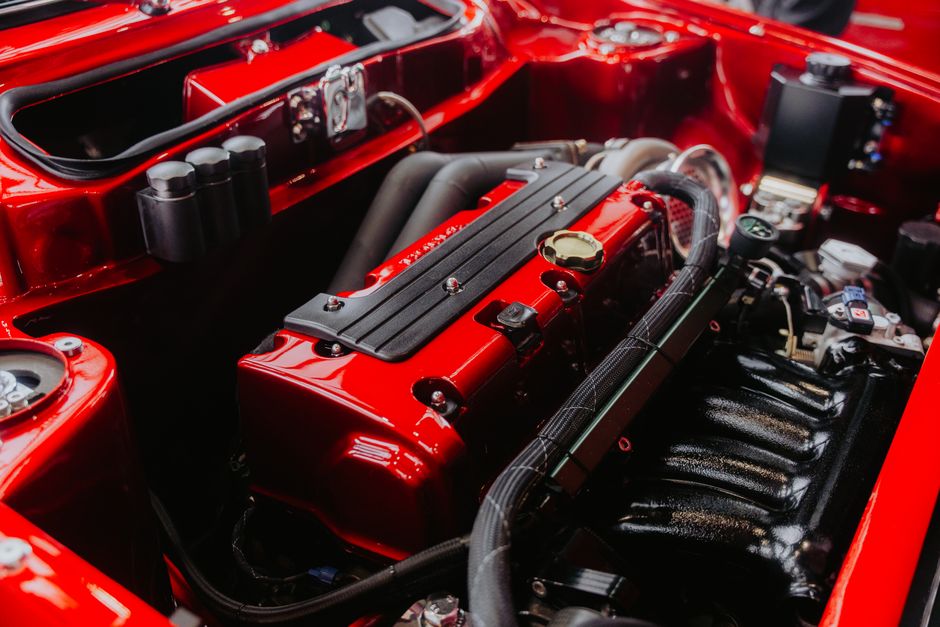
The forging process typically utilizes 6061-T6 or 7075-T6 aluminum alloys, both of which offer excellent strength-to-weight ratios. The billet is heated to approximately 800 degrees Fahrenheit, then pressed with forces exceeding 8,000 tons. This extreme pressure shapes the aluminum while simultaneously refining its crystalline structure. The result is a wheel that is typically 25 to 30 percent lighter than a cast equivalent while offering superior impact resistance.
After initial forging, wheels undergo precision CNC machining to achieve their final dimensions. Multi-axis machining centers remove material with tolerances measured in thousandths of an inch, creating complex spoke profiles and perfectly true mounting surfaces. Each wheel is individually balanced and inspected using coordinate measuring machines to verify dimensional accuracy.
Monoblock forged wheels represent the ultimate expression of this manufacturing philosophy. These one-piece designs offer maximum structural integrity since there are no joints or seams that could potentially fail under stress. The forged monoblock wheels collection showcases components that meet the exacting standards required for exotic vehicle applications. For owners looking to further personalize their vehicle's aesthetics, exploring options like Customizing Ferrari Interior Carbon Fiber can complement these high-performance upgrades.
Limited Production and Exclusivity in Aftermarket Components
The precision engineered components market operates on a fundamentally different model than mass-market automotive parts. Limited production runs ensure that each component receives meticulous attention throughout the manufacturing process. This approach prioritizes quality over quantity, recognizing that owners of exotic vehicles demand parts that reflect the exclusivity of their automobiles.
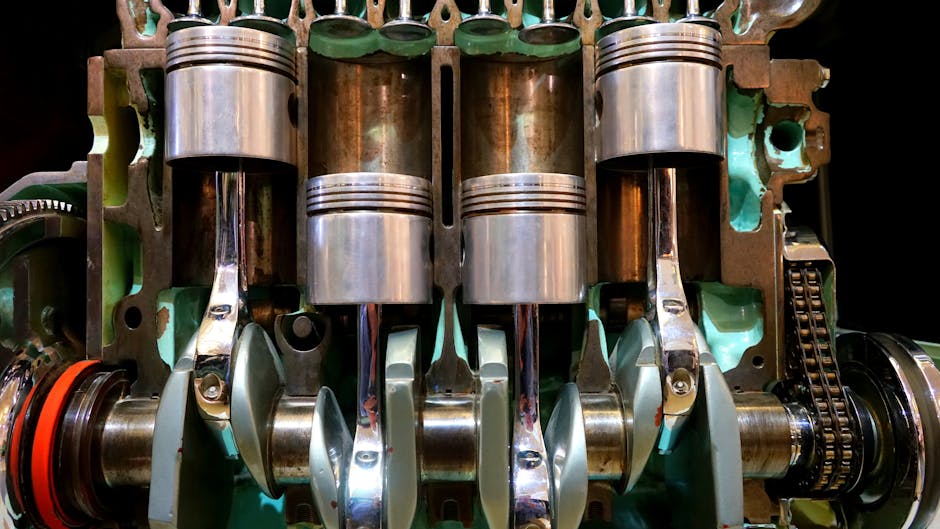
Limited production offers several distinct advantages. Manufacturers can implement more rigorous quality control procedures, inspecting each component individually rather than relying on statistical sampling. This hands-on approach allows craftsmen to identify and address minute imperfections that might escape notice in high-volume production environments. The result is a finished product that meets the exacting standards expected by luxury vehicle owners.
Exclusivity also extends to fitment and design. Rather than creating universal components that compromise to fit multiple applications, precision manufacturers develop vehicle-specific solutions. Each design accounts for the unique mounting points, brake caliper clearances, and aesthetic considerations of specific models. This attention to detail ensures perfect integration with factory systems while maintaining the visual coherence that characterizes properly executed modifications.
The limited production model also enables rapid innovation. Without the constraints of massive manufacturing infrastructure, precision component manufacturers can quickly incorporate new materials, processes, or design refinements. This agility keeps products at the forefront of automotive technology, offering customers access to the latest advancements in materials science and engineering.
Global Distribution and Technical Support Excellence
Worldwide shipping capabilities have democratized access to precision engineered components, allowing enthusiasts anywhere on the globe to equip their vehicles with the finest aftermarket parts. However, shipping high-value precision components internationally requires specialized logistics expertise to ensure products arrive in perfect condition.
Proper packaging plays a crucial role in protecting components during transit. Carbon fiber wheels and ceramic brake rotors require custom-designed packaging that provides impact protection while preventing moisture exposure. Many manufacturers utilize foam-lined wooden crates or custom plastic cases that isolate components from shipping vibrations and temperature fluctuations.
Documentation and compliance represent another critical aspect of international distribution. Customs regulations vary significantly between countries, and precision automotive components often require specific certifications or testing documentation. Experienced distributors maintain relationships with customs brokers and freight forwarders who understand the unique requirements of automotive aftermarket products.
Technical support extends beyond the initial sale. Proper installation of precision components requires specialized knowledge and often proprietary tools. Reputable manufacturers provide detailed installation instructions, torque specifications, and ongoing technical assistance. This support ensures that components are installed correctly and perform as intended throughout their service life.
The Future of Precision Automotive Engineering
The precision automotive components industry continues to evolve rapidly, driven by advances in materials science, manufacturing technology, and computational design tools. Additive manufacturing technologies, commonly known as 3D printing, are beginning to enable component geometries that would be impossible to achieve through traditional manufacturing methods. Metal laser sintering can create complex internal structures that optimize strength while minimizing weight.
Artificial intelligence and machine learning algorithms are revolutionizing the design optimization process. These systems can evaluate millions of potential design variations, identifying configurations that maximize performance across multiple parameters simultaneously. This computational approach accelerates development cycles while producing solutions that might elude human designers working with traditional methods.
Sustainability concerns are also influencing material selection and manufacturing processes. Carbon fiber recycling technologies are maturing, enabling end-of-life components to be reprocessed rather than landfilled. Manufacturing processes are becoming more energy-efficient, reducing the environmental footprint of precision components without compromising quality or performance.
As vehicles themselves become more sophisticated, with active suspension systems, advanced driver assistance features, and electrified powertrains, precision components must evolve to integrate seamlessly with these technologies. Wheels equipped with sensors that monitor tire pressure, temperature, and wear characteristics represent just one example of how traditional components are being enhanced with smart capabilities.
Conclusion
Precision engineered automotive components represent the intersection of advanced materials science, manufacturing excellence, and uncompromising quality standards. For owners of high-performance luxury vehicles, these components offer measurable improvements in performance, durability, and aesthetic appeal. From carbon fiber wheels that reduce unsprung weight to carbon ceramic brakes that deliver fade-free stopping power, precision components enable vehicles to achieve their full potential.
The investment in precision engineered components extends beyond mere performance gains. These parts represent a commitment to excellence that mirrors the philosophy behind the vehicles themselves. Just as Ferrari, Lamborghini, Porsche, and Mercedes-AMG refuse to compromise in their pursuit of automotive perfection, precision component manufacturers maintain the same unrelenting standards.
As manufacturing technologies continue advancing and new materials emerge, the capabilities of precision engineered components will only increase. The future promises even lighter, stronger, and more capable parts that further blur the line between factory equipment and aftermarket upgrades. For enthusiasts who demand the absolute best for their vehicles, precision engineered components offer a path to enhanced performance that respects the integrity of these exceptional automobiles.
Players Club Cars exemplifies this commitment to excellence, providing custom carbon fiber parts, forged wheels, and carbon ceramic brakes specifically engineered for the world's most prestigious vehicles. With limited production runs, worldwide shipping capabilities, and unwavering attention to detail, they serve discerning customers who accept nothing less than perfection.