

Chevrolet Chevelle 2026: Concept & Build
Chevrolet Chevelle 2026: Concept & Build
The Chevrolet Chevelle name carries legendary status among American muscle car enthusiasts, evoking memories of tire-smoking SS models and street racing glory from the late 1960s and early 1970s. As we look toward 2026, discussions about a potential Chevelle revival have captivated automotive enthusiasts worldwide. While General Motors has not officially announced a production Chevrolet Chevelle 2026, the possibility of this iconic nameplate returning in modern form presents exciting opportunities for performance enthusiasts and custom vehicle builders alike.
For businesses like Players Club Cars, which specializes in high-performance upgrades including carbon fiber wheels, forged components, and carbon ceramic braking systems, a modern Chevelle would represent another platform for premium customization. Understanding what a 2026 Chevelle might offer—whether as an official model or custom-built tribute—helps enthusiasts prepare for the next evolution of American performance vehicles.
The Legacy That Defines the Chevelle
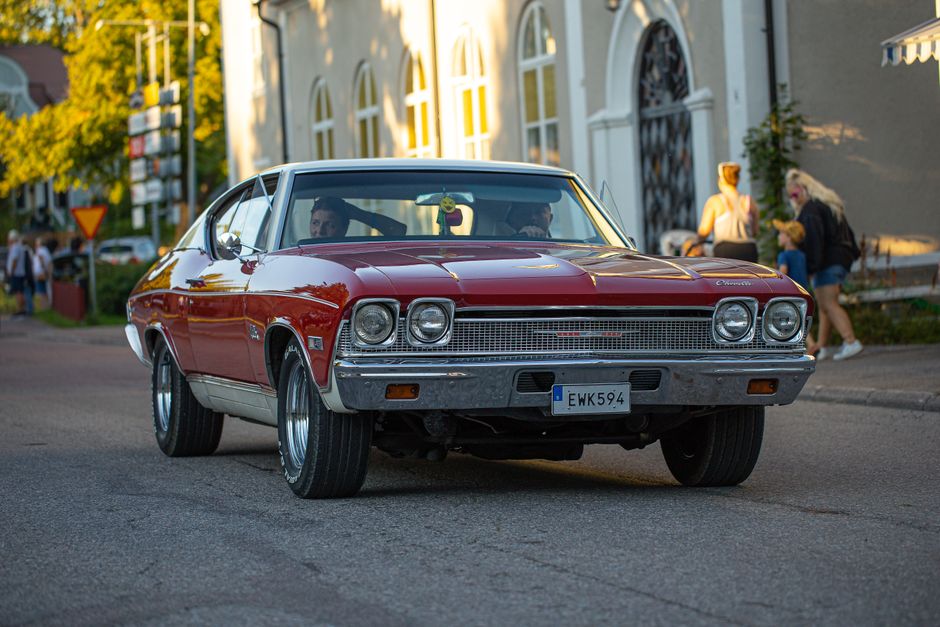
The original Chevrolet Chevelle production run from 1964 to 1977 established benchmarks for mid-size muscle cars. The SS 396 and SS 454 variants became particularly legendary, with the 1970 LS6 SS 454 producing an advertised 450 horsepower and becoming one of the most collectible muscle cars ever built. These vehicles balanced practicality with raw performance, offering family-friendly styling with street-dominating power.

Any discussion of a 2026 Chevelle must acknowledge this heritage. Modern interpretations would need to capture the spirit of aggressive styling, V8 power, and driver-focused performance while incorporating contemporary technology, safety features, and efficiency standards. The challenge lies in honoring tradition while meeting 2026 market expectations for connectivity, driver assistance, and environmental responsibility.
Current muscle car offerings from competitors provide context for what a Chevelle revival might entail. The Dodge Challenger and Charger platforms, Ford Mustang, and even Chevrolet's own Camaro demonstrate that traditional muscle car formats can coexist with modern engineering. However, as automotive trends shift toward electrification, any 2026 Chevelle would likely need to address hybrid or full-electric powertrains alongside traditional internal combustion options.
Potential Powertrain Options for a Modern Chevelle
If General Motors were to produce a 2026 Chevelle, multiple powertrain configurations would likely be considered. The base model might feature a turbocharged four-cylinder engine similar to the 2.0-liter unit found in current Camaro models, delivering approximately 275-300 horsepower with improved fuel efficiency for daily driving scenarios.
Mid-range variants would almost certainly include GM's proven 6.2-liter LT1 V8 engine, currently producing 455 horsepower in Camaro SS applications. This naturally aspirated small-block delivers the traditional muscle car experience modern enthusiasts expect while maintaining reasonable reliability and serviceability. An upgraded SS model could incorporate the supercharged LT4 engine from the Camaro ZL1, generating over 650 horsepower and providing supercar-level acceleration.
The most intriguing possibility involves hybrid or electric powertrains. GM's Ultium battery platform has already proven capable of delivering exceptional performance in vehicles like the GMC Hummer EV, which produces over 1,000 horsepower in certain configurations. An electric Chevelle could offer instant torque delivery, sub-four-second zero-to-sixty times, and whisper-quiet operation while maintaining the aggressive stance and styling cues that define the nameplate. For enthusiasts seeking ultimate performance with environmental consideration, this approach represents the future of American muscle.
Design Philosophy and Styling Considerations
Translating classic Chevelle styling into a 2026 vehicle requires balancing nostalgia with contemporary design language. The original Chevelle featured a long hood, short deck proportion with aggressive front fascia elements and clean body lines. Modern interpretations would need to incorporate these classic cues while meeting current pedestrian safety regulations, aerodynamic efficiency targets, and manufacturing feasibility.

The front end would likely feature slim LED headlights flanking a bold grille with Chevelle or SS badging. Character lines along the hood could reference the power dome configurations of classic models while serving functional purposes for modern engine cooling or aerodynamic channeling. The greenhouse would maintain fastback or notchback profiles depending on variant, with muscular rear haunches suggesting power and performance.
Interior design would need to balance retro inspiration with modern luxury and technology expectations. Digital instrument clusters, large infotainment touchscreens, and advanced driver assistance systems would be mandatory for 2026, but designers could incorporate classic Chevelle styling elements through gauge graphics, seat patterns, and trim materials. Carbon fiber accents, premium leather surfaces, and customizable ambient lighting would appeal to modern luxury performance buyers while honoring the driver-focused philosophy of original SS models.
Performance Upgrades and Customization Potential
For performance enthusiasts, a 2026 Chevelle would represent a blank canvas for customization and upgrades. Companies specializing in high-end performance components would immediately begin developing enhancement packages to extract additional performance and visual distinction from the platform.

Wheel upgrades would be among the first modifications owners pursue. Transitioning from factory wheels to lightweight forged or carbon fiber wheels reduces unsprung weight, improving acceleration, braking, and handling response. For a vehicle potentially weighing 3,800-4,200 pounds depending on configuration, every pound of rotational mass reduction delivers noticeable performance improvements. Monoblock forged designs offer strength and weight savings, while two-piece constructions allow for customized finishes and offsets.
Braking system upgrades would be equally important, particularly for higher-output SS or ZL1-equivalent variants. Factory braking systems, while adequate for street use, often struggle during repeated high-performance driving situations. Upgrading to carbon ceramic brake rotors provides several advantages: dramatically reduced weight, improved heat dissipation, longer service life, and fade-resistant performance during track sessions. These systems, similar to those found in exotic European sports cars, would transform a Chevelle's performance envelope for enthusiast drivers who regularly attend track days or performance driving events.
Additional performance modifications might include enhanced aerodynamic packages with functional splitters and spoilers, adjustable suspension systems for track-focused handling, upgraded intercoolers and intake systems for forced-induction models, and custom exhaust systems delivering both performance gains and enhanced sound character. The aftermarket support for GM performance platforms historically has been exceptional, and a new Chevelle would immediately benefit from decades of small-block and LS/LT engine development knowledge.
Market Position and Competition Analysis
A 2026 Chevelle would enter a challenging but potentially lucrative market segment. Traditional muscle car sales have declined from peak years, but passionate enthusiast bases remain loyal to rear-wheel-drive, V8-powered American performance vehicles. The Chevelle nameplate carries significant brand equity that could attract buyers who find current Camaro styling too aggressive or who prefer sedan or coupe bodystyles with more practical daily usability.

Direct competitors would include the Ford Mustang, particularly Dark Horse and GT500 variants, any remaining Dodge Challenger or Charger models before their anticipated transition to electric powertrains, and potentially the Nissan Z for buyers considering import performance coupes. The Chevelle would need competitive pricing, likely starting around $30,000-$35,000 for base models and extending to $70,000-$80,000 for range-topping SS variants with every available performance option.
The vehicle would also compete indirectly with luxury performance sedans and coupes from European manufacturers. Buyers cross-shopping a loaded Chevelle SS against BMW M4, Mercedes-AMG C63, or Audi RS5 models would expect similar performance capabilities, interior quality, and technology features despite potential price advantages for the American offering. This expectation would push General Motors to elevate materials quality, fit-and-finish standards, and standard equipment levels beyond what muscle car buyers traditionally accepted.
Maintaining Performance Vehicle Health
Owning any high-performance vehicle, whether a hypothetical 2026 Chevelle or current muscle car, requires commitment to maintenance and proper operation. Performance vehicles demand more frequent service intervals, premium fuel grades, and quality replacement components to maintain optimal operation and longevity.
Similarly, vehicle owners should maintain their personal health and fitness to fully enjoy their performance vehicles. Regular physical activity improves reaction times, stamina, and overall wellness, which translates to better driving experiences during spirited drives or track events. The CDC recommends adults engage in at least 150 minutes of moderate-intensity aerobic activity weekly, which supports cardiovascular health and mental acuity—both beneficial for performance driving situations.
Organizations like the American College of Sports Medicine provide research-based guidance on exercise programming and wellness strategies. Additionally, the NHS offers comprehensive exercise guidance applicable to individuals at various fitness levels. Maintaining physical fitness ensures drivers can fully exploit their vehicle's capabilities while managing the physical demands of performance driving, which can be surprisingly taxing during extended track sessions or canyon drives.
The Future of American Muscle Performance
Whether the Chevrolet Chevelle returns as an official 2026 model year vehicle or remains a concept explored by custom builders and enthusiasts, the nameplate represents an important chapter in American automotive history. The evolution from 1960s-era big-block muscle to potential electric performance demonstrates how dramatically automotive technology has progressed while core enthusiast values remain constant: acceleration, handling, styling, and the emotional connection between driver and machine.
For businesses specializing in performance upgrades like advanced braking systems and lightweight wheel technologies, any new performance platform presents opportunities to demonstrate how modern materials and engineering can enhance already-impressive factory capabilities. Carbon fiber, forged aluminum, and carbon ceramic technologies originally developed for exotic European sports cars have become increasingly accessible for American performance vehicles, democratizing supercar-level performance for broader enthusiast audiences.
The Chevelle legacy endures through restored classics, custom builds, and the continued enthusiasm of multiple generations of muscle car fans. Whether 2026 brings an official revival or simply continues the tradition through custom interpretations, the spirit of accessible, powerful, and distinctively American performance vehicles remains as relevant today as when the first Chevelle rolled off assembly lines over sixty years ago.