

2026 Chevelle: Rumored Specs & Upgrade Options
2026 Chevelle: Rumored Specs & Upgrade Options
The automotive world has been buzzing with speculation about a potential 2026 Chevrolet Chevelle revival. While General Motors has not officially confirmed the model's return, enthusiasts and industry insiders continue to discuss what a modern interpretation of this legendary muscle car might look like. This article explores the rumored specifications, potential performance capabilities, and how modern aftermarket upgrades could enhance a new Chevelle if it comes to fruition. For a deeper dive into expert predictions, check out 2026 Chevy Chevelle: What to Expect.
The original Chevelle nameplate holds a special place in American automotive history, representing an era when muscle cars dominated the streets and drag strips. If Chevrolet decides to resurrect this iconic badge in 2026, it would join a resurgent muscle car market that has seen remarkable technological advancement while maintaining the spirit of raw performance that defined the golden age of American muscle.
The Legacy of the Chevelle Name
Understanding the significance of a potential 2026 Chevelle requires appreciating the model's storied past. Originally introduced in 1964, the Chevelle quickly became one of Chevrolet's most successful mid-size offerings. The SS variants, particularly those equipped with big-block engines like the legendary LS6, created a performance legacy that still resonates with collectors and enthusiasts today.

The Chevelle nameplate was retired in 1977, but its influence never truly faded. Classic examples command premium prices at auctions, and resto-mod versions combining vintage styling with modern performance continue to captivate automotive enthusiasts. A modern revival would need to honor this heritage while incorporating contemporary engineering, safety standards, and performance expectations.
If Chevrolet brings back the Chevelle for 2026, it would likely compete in the performance coupe segment alongside the Camaro's successor or as a distinct offering in the brand's lineup. The challenge would be differentiating it from existing models while capturing the essence of what made the original so compelling. Further details on this concept can be found in Chevrolet Chevelle 2026: Concept & Build.
Rumored Performance Specifications
Industry speculation suggests that a 2026 Chevelle could utilize General Motors' latest powertrain technologies. One likely scenario involves the brand's naturally aspirated V8 engines, possibly the 6.2-liter LT4 or LT6 found in current Corvette and Cadillac performance models. These engines deliver between 490 and 670 horsepower in various applications, providing the kind of output modern muscle car buyers expect.
Another possibility involves electrification, either as a hybrid performance system or a fully electric variant. GM has invested heavily in electric vehicle technology, and a high-performance electric Chevelle could deliver instant torque and impressive acceleration while appealing to environmentally conscious performance enthusiasts. The Ultium platform that underpins vehicles like the Hummer EV demonstrates GM's capability to build powerful electric performance vehicles.
Transmission options would likely include an advanced automatic with multiple drive modes, possibly the 10-speed unit currently used in various GM performance applications. A manual transmission option, while increasingly rare, might be offered to purists who value the engagement of shifting their own gears. Rear-wheel drive would almost certainly be standard, with all-wheel drive potentially available for enhanced traction and all-weather capability.
Performance metrics for a hypothetical 2026 Chevelle might include zero-to-sixty times in the low four-second range for base models, with higher-performance variants potentially breaking into the three-second territory. Quarter-mile times would likely target the high-eleven to low-twelve second range, maintaining the drag strip prowess that characterized the original Chevelle SS models.
Modern Platform and Technology Integration
A 2026 Chevelle would undoubtedly ride on one of GM's modern vehicle architectures. The Alpha platform, which currently underpins the Cadillac CT4-V and CT5-V Blackwing, offers an excellent foundation for a performance-oriented vehicle. Alternatively, GM could develop a new dedicated performance platform or adapt existing architecture specifically for the Chevelle's requirements.

Technology integration would be extensive, including advanced driver assistance systems, sophisticated infotainment with large touchscreen displays, digital instrument clusters, and connectivity features that modern buyers expect. However, the design philosophy would likely balance technology with driver engagement, ensuring that electronic aids enhance rather than diminish the driving experience.
Chassis engineering would incorporate magnetic ride control or adaptive dampers, providing both comfortable daily driving and track-ready handling capabilities. Brembo brakes or similar high-performance systems would be standard on performance variants, offering the stopping power necessary to match aggressive acceleration. For owners seeking the ultimate in braking performance, upgrading to carbon ceramic brake rotors would provide exceptional fade resistance and weight reduction compared to traditional steel rotors.
Aftermarket Enhancement Opportunities
If the 2026 Chevelle becomes reality, the aftermarket will undoubtedly respond with numerous enhancement options. Performance enthusiasts rarely keep their vehicles completely stock, and a modern Chevelle would offer tremendous potential for customization and improvement across multiple areas.
Wheel upgrades represent one of the most popular modifications for any performance vehicle. Replacing factory wheels with lightweight forged and carbon fiber wheels can reduce unsprung weight significantly, improving acceleration, handling responsiveness, and braking performance. The weight savings from advanced wheel materials like carbon fiber can be substantial, with some applications reducing wheel weight by 40-50 percent compared to standard cast aluminum options.
Carbon fiber aerodynamic components would offer both aesthetic enhancement and functional benefits. Front splitters, side skirts, rear diffusers, and spoilers constructed from this lightweight material can improve downforce and high-speed stability while reducing overall vehicle weight. The strength-to-weight ratio of carbon fiber makes it ideal for performance applications where every pound matters.
Brake system upgrades would be particularly relevant for owners who track their vehicles or simply demand the highest level of performance. While the factory brake system would certainly be capable, upgrading to high-performance brake kits with 2-piece rotors can provide improved thermal management, reduced brake fade during aggressive driving, and decreased rotational mass. These benefits translate to shorter stopping distances and more consistent brake pedal feel during repeated hard braking.
For the ultimate in brake performance and weight reduction, carbon ceramic brake systems represent the pinnacle of current technology. Originally developed for Formula 1 and exotic supercars, carbon ceramic brakes offer exceptional fade resistance, longevity, and significant weight savings over conventional iron rotors. The reduced unsprung weight improves suspension response and overall vehicle dynamics.
Balancing Heritage and Innovation
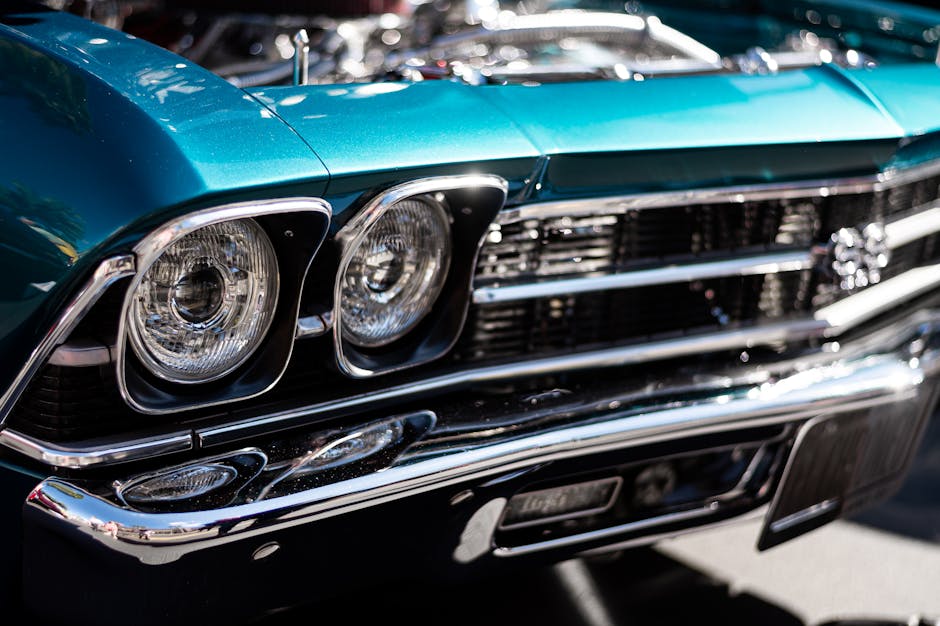
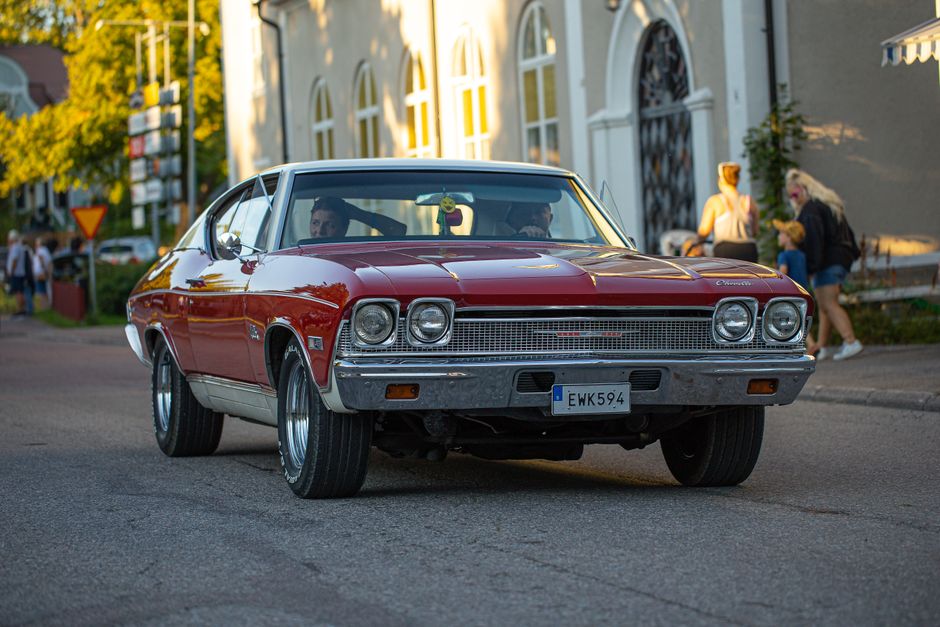
One of the most challenging aspects of reviving a legendary nameplate like the Chevelle involves balancing respect for heritage with the need for innovation. The design language would need to reference iconic Chevelle styling cues while appearing thoroughly modern and contemporary. Elements like the dual headlamp arrangement, muscular proportions, and aggressive stance could be reinterpreted for the 2026 model year.

Interior design would blend performance-focused elements with luxury appointments that modern buyers expect. Supportive sport seats, a driver-oriented cockpit layout, premium materials, and thoughtful ergonomics would create an environment that encourages spirited driving while remaining comfortable for daily use. Carbon fiber interior trim pieces could provide visual links to exterior performance upgrades while reducing weight.
The color palette would likely include both classic muscle car hues and contemporary finishes. Heritage colors reminiscent of the original Chevelle might be offered alongside modern metallic and matte options that appeal to current aesthetic preferences.
Market Position and Competition
If introduced, a 2026 Chevelle would enter a performance car market that includes established competitors like the Ford Mustang, Dodge Challenger successors, and potentially international rivals. Pricing would need to be competitive while reflecting the vehicle's performance capabilities and features. Base models might start in the $40,000-$50,000 range, with high-performance variants potentially exceeding $70,000-$80,000 when fully equipped. Discover more about the highly anticipated return of this legend, such as the Chevy Chevelle 2026: Classic Muscle Revival.
The target demographic would include traditional muscle car enthusiasts, younger buyers seeking American performance, and conquest customers from import performance brands. Marketing would emphasize the Chevelle's heritage, performance credentials, and modern technological sophistication.
Limited production or special editions could create exclusivity and collector appeal, similar to strategies employed with other performance vehicles. Commemorative packages honoring specific original Chevelle models might generate additional interest and provide differentiation in the marketplace.
Performance Maintenance and Longevity
Maintaining peak performance in any high-output vehicle requires attention to proper care and maintenance schedules. While modern vehicles are more reliable than their predecessors, performance cars still demand regular servicing to ensure longevity. Oil changes using high-quality synthetic lubricants, brake fluid flushes, coolant system maintenance, and transmission servicing would all be critical.
For owners who regularly exercise their vehicle's performance capabilities, more frequent inspections of brake components, tire wear patterns, and suspension bushings would be advisable. Track day participants should inspect their vehicles thoroughly before and after each session, paying particular attention to brake pad thickness, fluid conditions, and tire integrity.
Just as regular physical activity is important for personal health—similar to recommendations found in CDC physical activity guidance—regular exercise for a performance vehicle helps maintain all systems in optimal condition. Allowing the engine to reach operating temperature, varying driving conditions, and occasional spirited driving can help prevent carbon buildup and keep mechanical components functioning properly.
Conclusion
While the 2026 Chevrolet Chevelle remains unconfirmed by General Motors, the possibility of this legendary nameplate's return generates significant excitement among automotive enthusiasts. Whether powered by a traditional V8, hybrid system, or electric motors, a modern Chevelle would need to capture the spirit of its predecessors while meeting contemporary performance, safety, and efficiency expectations. For enthusiasts seeking to maximize their vehicle's potential, aftermarket upgrades including carbon fiber wheels, advanced brake systems, and lightweight components offer opportunities to enhance both performance and aesthetics. The combination of cutting-edge factory engineering and precision aftermarket enhancements creates vehicles that honor automotive heritage while pushing the boundaries of modern performance capabilities.