

Ultimate Luxury Car Upgrades for 2026
Ultimate Luxury Car Upgrades for 2026
Luxury vehicle ownership extends far beyond the initial purchase. For discerning owners of Ferrari, Lamborghini, Mercedes-AMG, Porsche, and other high-performance marques, the pursuit of automotive excellence continues through carefully selected performance and aesthetic enhancements. As we navigate 2026, the landscape of premium automotive upgrades has evolved to emphasize lightweight engineering, advanced materials, and components that deliver measurable performance gains without compromising the refined character that defines luxury sports cars.
The most impactful modifications focus on three critical areas: rotating mass reduction, braking performance, and visual distinction. These upgrades not only enhance the driving experience but also preserve and potentially increase vehicle value when executed with precision-engineered components from specialized manufacturers who understand the exacting standards these vehicles demand.
Carbon Fiber Wheels: The Pinnacle of Weight Reduction
Among all available upgrades, carbon fiber wheels represent the most transformative single modification available to luxury performance vehicle owners. The physics are straightforward: reducing unsprung and rotating mass delivers exponential benefits to acceleration, braking, handling responsiveness, and ride quality. Traditional forged aluminum wheels have served the industry well, but carbon fiber wheels for Porsche, Ferrari, AMG and Lamborghini push the boundaries of what's achievable.
A premium carbon fiber wheel can weigh 40-60% less than an equivalent forged aluminum wheel. On a vehicle like the Porsche 911 GT3 RS or Ferrari 296 GTB, this translates to a reduction of 10-15 pounds per corner, or 40-60 pounds of rotating mass. The effect is immediately perceptible: sharper turn-in, reduced steering effort, improved suspension compliance over imperfect surfaces, and noticeably quicker acceleration and deceleration.
Beyond performance metrics, carbon fiber wheels deliver an unmistakable aesthetic presence. The distinctive weave pattern, typically finished in gloss or matte clear coat to showcase the material's natural beauty, signals to knowledgeable enthusiasts that no expense has been spared in the pursuit of performance. Limited production runs ensure exclusivity, with many manufacturers producing only dozens or hundreds of sets annually for specific vehicle applications.
The engineering behind these components is remarkable. Modern carbon fiber wheel construction utilizes aerospace-grade materials and manufacturing processes including autoclave curing, ensuring structural integrity that meets or exceeds OEM safety standards. Rigorous testing protocols including impact, fatigue, and extreme temperature cycling validate performance under the most demanding conditions.
Carbon Ceramic Brake Systems: Uncompromising Stopping Power
While many luxury vehicles now offer carbon ceramic brakes as a factory option, aftermarket alternatives have emerged that provide comparable or superior performance at more accessible price points. The advantages of carbon ceramic brake rotors for AMG, Porsche, Lamborghini and Ferrari extend well beyond the obvious performance benefits.
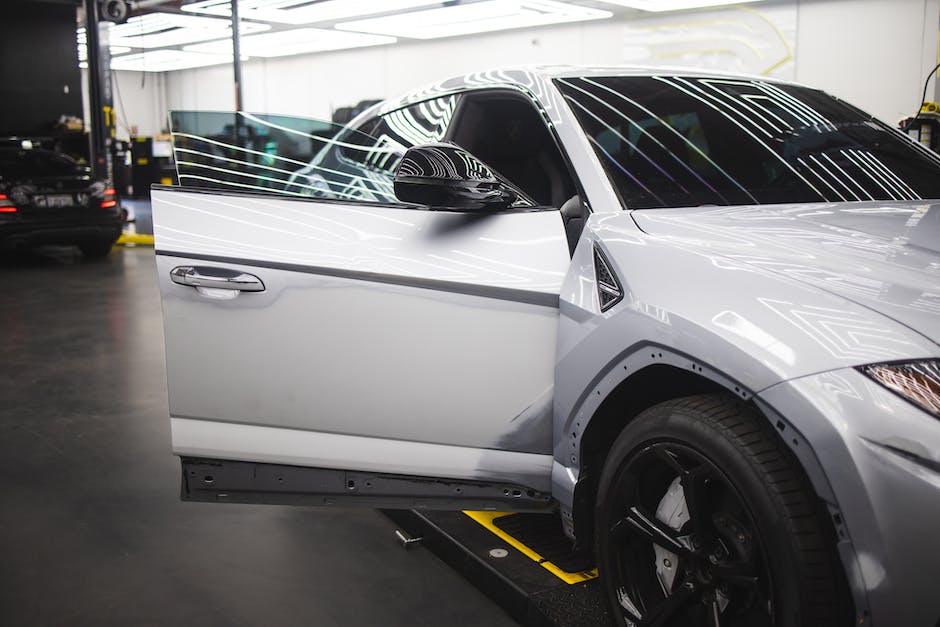
Carbon ceramic rotors operate effectively across a dramatically wider temperature range than traditional cast iron or even steel rotors. They resist fade during extended high-performance driving, maintain consistent pedal feel, and generate less brake dust, preserving the appearance of expensive wheels. The weight savings, while not as dramatic as carbon fiber wheels, still contributes meaningfully to overall vehicle dynamics, particularly for larger vehicles like the Lamborghini Urus or Porsche Cayenne Turbo GT.
Longevity represents another compelling advantage. Carbon ceramic rotors can last the lifetime of the vehicle under normal driving conditions, eliminating the recurring expense of rotor replacement every 30,000-50,000 miles common with conventional systems. For owners accumulating significant mileage, the total cost of ownership actually favors carbon ceramic despite the higher initial investment.
Installation considerations matter significantly. Professional installation by technicians experienced with these systems ensures proper bedding procedures and integration with vehicle safety systems including ABS and stability control. Premium manufacturers provide complete kits with matched calipers, pads, and all necessary hardware, ensuring seamless integration and optimal performance.
Forged Wheel Alternatives: Performance Without Compromise
While carbon fiber represents the ultimate in weight reduction, forged aluminum wheels continue to offer exceptional value for owners seeking performance gains and visual enhancement. Modern forging techniques produce wheels that are significantly lighter and stronger than cast alternatives, with forged and carbon fiber wheels for exotic and luxury vehicles delivering measurable improvements in all aspects of vehicle dynamics.
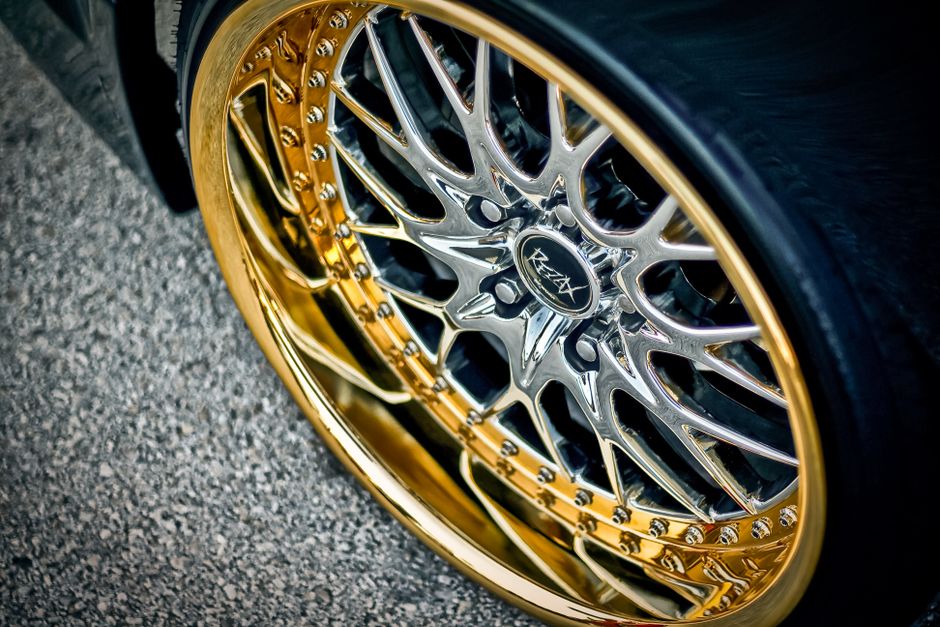
Monoblock forged wheels are machined from a single billet of aerospace-grade aluminum, creating a one-piece design with no joints or potential failure points. This construction method allows for intricate spoke designs, aggressive concavity, and custom offsets tailored to specific vehicle applications. Weight savings of 20-30% compared to OEM cast wheels are typical, providing many of the dynamic benefits of carbon fiber at a more accessible price point.
Two-piece forged wheels take customization further, with separate barrel and face components that can be finished in contrasting colors or materials. This construction enables even more aggressive fitment and provides repairability advantages, as damaged components can be replaced individually rather than requiring complete wheel replacement.
The aesthetic impact cannot be overstated. A carefully selected wheel design can completely transform a vehicle's stance and presence. Popular finishes include brushed aluminum, gloss black, matte titanium, and custom color matching to exterior paint or interior trim elements. Some manufacturers offer hybrid designs incorporating carbon fiber center sections with forged aluminum barrels, combining the visual impact of carbon with enhanced durability for daily driving.
Two-Piece Brake Rotor Upgrades: Enhanced Thermal Management
For owners seeking improved braking performance without the investment required for full carbon ceramic systems, two-piece floating rotors represent an intelligent middle ground. These systems utilize an aluminum or aluminum-alloy center hat attached to a high-carbon steel or iron braking surface via a floating assembly that allows thermal expansion without warping.
The benefits are multifaceted. The aluminum center reduces rotating mass by 15-25% compared to one-piece rotors, improving acceleration and handling response. The floating design allows the braking surface to expand and contract independently during heat cycling, significantly reducing the tendency toward warping that plagues one-piece rotors under hard use. Cross-drilling and slotting patterns enhance heat dissipation and maintain consistent pad contact under extreme conditions.
Installation is straightforward and requires no modifications to calipers or hydraulic components, making these upgrades reversible and ideal for leased vehicles or those subject to warranty considerations. Premium kits include high-performance brake pads engineered to work synergistically with the rotor design, delivering improved bite, reduced dust, and lower operating temperatures.
For vehicles frequently driven on track or through mountainous terrain, the performance advantages are immediately apparent. Consistent pedal feel, reduced fade, and improved modulation enhance both confidence and safety. Even for primarily street-driven vehicles, the reduced weight and improved heat management contribute to a more refined, responsive driving experience.
Material Science and Engineering Excellence
The components discussed represent the convergence of advanced materials science, precision engineering, and manufacturing excellence. Carbon fiber technology has evolved dramatically over the past decade, with improvements in resin systems, weave patterns, and curing processes producing components that are lighter, stronger, and more consistent than ever before.

Modern carbon fiber parts undergo rigorous quality control, with many manufacturers employing non-destructive testing methods including ultrasound and X-ray inspection to identify any voids, delamination, or inconsistencies in the layup. This level of scrutiny ensures that every component meets exacting standards for both performance and safety.
Ceramic composite materials used in brake systems have similarly advanced. New matrix formulations provide improved thermal stability, wear resistance, and friction characteristics across wider temperature ranges. Manufacturing processes have become more refined, producing rotors with more consistent density and fewer imperfections that could compromise performance or longevity.
Forged wheel production has benefited from advances in metallurgy and machining technology. Computer-controlled forging presses apply precisely calibrated pressure to create grain structures optimized for strength and fatigue resistance. Multi-axis CNC machining centers execute intricate designs with tolerances measured in thousandths of an inch, ensuring perfect balance and fit.
Selection Considerations and Professional Installation
Choosing the right upgrades requires careful consideration of driving habits, performance objectives, and aesthetic preferences. Owners who regularly participate in track events will prioritize maximum weight reduction and thermal performance, making carbon fiber wheels and carbon ceramic brakes natural selections. Those focused primarily on street driving might find forged wheels and two-piece rotors deliver optimal value while still providing meaningful performance improvements.
Vehicle-specific engineering matters tremendously. Components must be designed and manufactured for precise fitment to specific makes and models, with attention to brake caliper clearance, suspension geometry, and load ratings appropriate to vehicle weight and performance capabilities. Reputable manufacturers provide detailed specifications and fitment guidance to ensure compatibility.
Professional installation by experienced technicians cannot be overemphasized. Proper torque specifications, hub-centric ring selection, and wheel balancing are critical for wheels. Brake system installations require meticulous attention to bedding procedures, bleeding protocols, and integration with electronic safety systems. Many high-end shops offer track testing and data logging to validate performance improvements and ensure all systems function optimally.
Maintenance requirements vary by component type. Carbon fiber body kits and wheels require minimal care beyond regular cleaning with pH-neutral products and periodic inspection for damage. Carbon ceramic brakes need proper bedding and benefit from occasional deep-cleaning to remove accumulated pad material. Forged wheels and two-piece rotors follow conventional maintenance protocols but benefit from regular inspection and professional servicing.
Conclusion: Investing in Automotive Excellence
The ultimate luxury car upgrades for 2026 represent more than aesthetic enhancements or performance modifications. They embody a philosophy of continuous improvement, a commitment to extracting maximum potential from already exceptional vehicles, and an appreciation for the engineering excellence that defines the automotive industry's pinnacle achievements. Whether selecting performance brake rotors and 2-piece rotors for exotic vehicles or exploring comprehensive wheel and brake packages, informed decisions based on driving requirements and performance objectives ensure satisfaction and value.
The convergence of advanced materials, precision engineering, and limited production availability creates components that enhance both the driving experience and vehicle exclusivity. As manufacturing technologies continue advancing and new materials emerge, the boundary of what's possible continues expanding. For luxury performance vehicle owners who demand nothing less than excellence, these upgrades represent worthy investments in automotive passion, performance, and distinction.