

Forged Wheel Manufacturing Process Explained
Forged Wheel Manufacturing Process Explained
For luxury vehicle enthusiasts who demand the ultimate in performance and aesthetics, understanding the forged wheel manufacturing process reveals why these components command premium pricing and deliver unmatched benefits. The creation of forged wheels represents the pinnacle of automotive engineering, combining advanced metallurgy, precision machining, and rigorous quality control to produce wheels that dramatically outperform cast alternatives in strength, weight reduction, and durability.
Players Club Cars specializes in providing forged and carbon fiber wheels for high-end luxury vehicles such as Ferrari, Lamborghini, AMG, Porsche, and Hummer EV. Our precision-engineered components undergo the most demanding manufacturing processes to ensure they meet the exacting standards required by exotic vehicle owners who accept nothing less than perfection.
The Fundamental Forging Process
The forged wheel manufacturing process begins with a solid aluminum billet, typically made from aerospace-grade 6061-T6 aluminum alloy. This premium material selection is crucial because it determines the final wheel's structural integrity and performance characteristics. Unlike cast wheels that pour molten metal into molds, forging applies immense pressure to shape solid metal, fundamentally altering its grain structure.
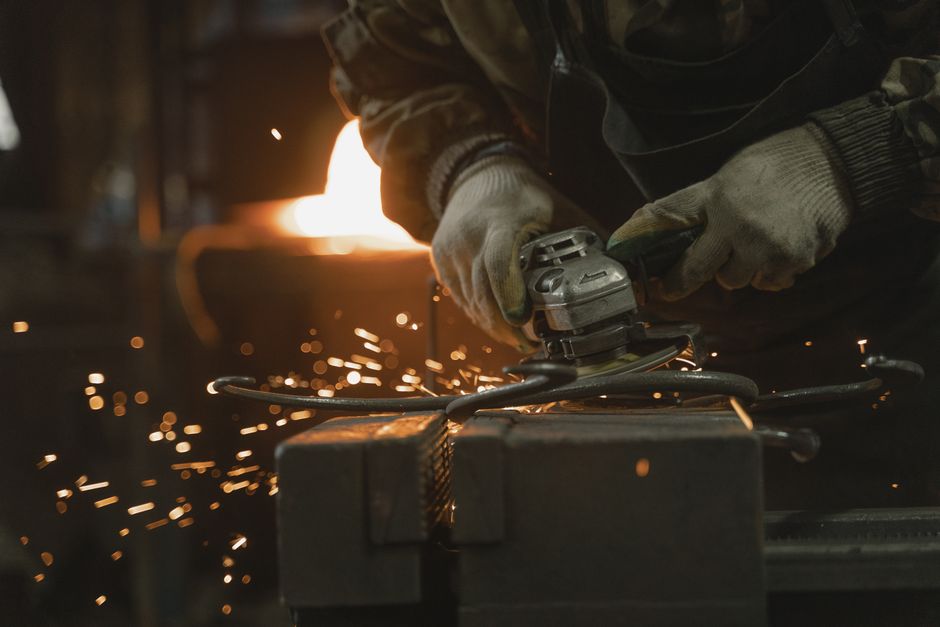
The forging process subjects the aluminum billet to pressures exceeding 8,000 to 10,000 tons, literally squeezing the metal into shape using hydraulic presses. This extreme compression eliminates air pockets, porosity, and structural weaknesses inherent in cast wheels. The process aligns the metal's molecular structure along the stress lines of the wheel design, creating a part that is significantly stronger than its cast counterpart while using approximately 20-30% less material.
Temperature control during forging is critical. Manufacturers heat the aluminum billet to precise temperatures between 700 and 900 degrees Fahrenheit, making the metal malleable enough to shape without compromising its structural properties. The heated billet is then positioned in a massive forging press where upper and lower dies apply tremendous force to create the basic wheel shape in a single, powerful compression stroke.
Monoblock Versus Multi-Piece Construction
The forging process diverges into two primary construction methods: monoblock and multi-piece designs. Forged monoblock wheels are crafted from a single piece of aluminum, offering maximum structural rigidity and weight savings. This one-piece construction provides superior strength-to-weight ratios and eliminates potential failure points associated with fasteners or welds.

Monoblock wheels undergo a more complex machining process since the entire wheel face, barrel, and mounting surfaces must be precision-cut from one solid forging. The manufacturing precision required for monoblock construction demands advanced CNC equipment and extensive machining time, contributing to their premium pricing. However, the result is a wheel that offers uncompromising performance for track use and aggressive driving.
Conversely, two-piece forged wheels separate the center section from the outer barrel, allowing for greater customization in spoke design, offset, and width. The center is forged and machined separately from the barrel, then assembled using high-strength titanium or aerospace-grade fasteners. This construction method offers aesthetic flexibility while maintaining excellent performance characteristics, making it popular among luxury vehicle owners who prioritize unique styling.
Three-piece forged wheels take customization even further by separating the inner barrel lip, outer barrel lip, and center section into three distinct components. This construction allows virtually unlimited width and offset combinations, perfect for achieving aggressive fitments on exotic vehicles. While three-piece wheels add slight weight compared to monoblock designs, they provide unmatched versatility for custom applications.
Advanced Machining and Finishing Operations
After the initial forging process creates the basic wheel shape, extensive CNC machining transforms the rough forging into a precision component. Computer-controlled milling machines equipped with diamond-coated cutting tools remove excess material, creating the intricate spoke designs, mounting surfaces, and aerodynamic features that define modern forged wheels.
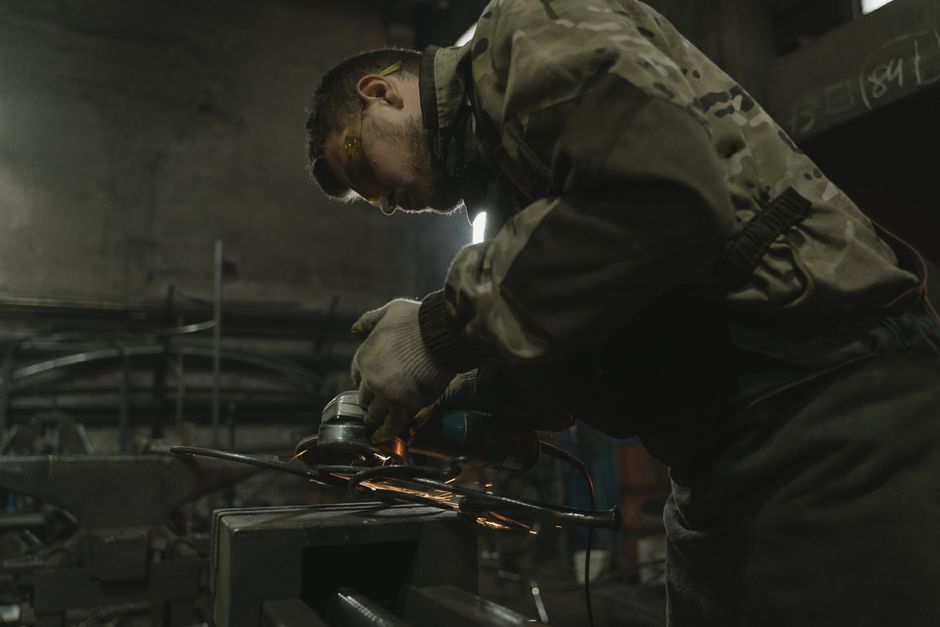
The machining process requires multiple operations and tool changes, with some complex wheel designs demanding 12 to 20 hours of machining time per wheel. High-precision CNC equipment maintains tolerances within 0.001 inches, ensuring perfect balance, concentricity, and hub-centric fitment. This level of precision is essential for high-performance applications where even minor imbalances can cause vibrations at elevated speeds.
Following rough machining, wheels undergo a heat treatment process to restore material hardness and achieve the T6 temper designation. This thermal cycling involves heating the wheels to specific temperatures and then rapidly cooling them in a controlled quenching process. Heat treatment increases tensile strength and enhances the wheel's resistance to impact and fatigue stress, critical for performance driving conditions.
Final finishing operations include precision machining of critical surfaces, drilling and tapping of lug nut holes, and creating specialized features like center lock mechanisms for racing applications. Each wheel is individually balanced and inspected to ensure it meets strict tolerances for runout, concentricity, and dimensional accuracy.
Quality Control and Testing Procedures
Reputable forged wheel manufacturers implement rigorous quality control procedures throughout the manufacturing process. Visual inspections identify surface defects, while non-destructive testing methods such as X-ray analysis detect internal flaws that might compromise structural integrity. These inspection protocols ensure that only flawless wheels reach customers who depend on absolute reliability.
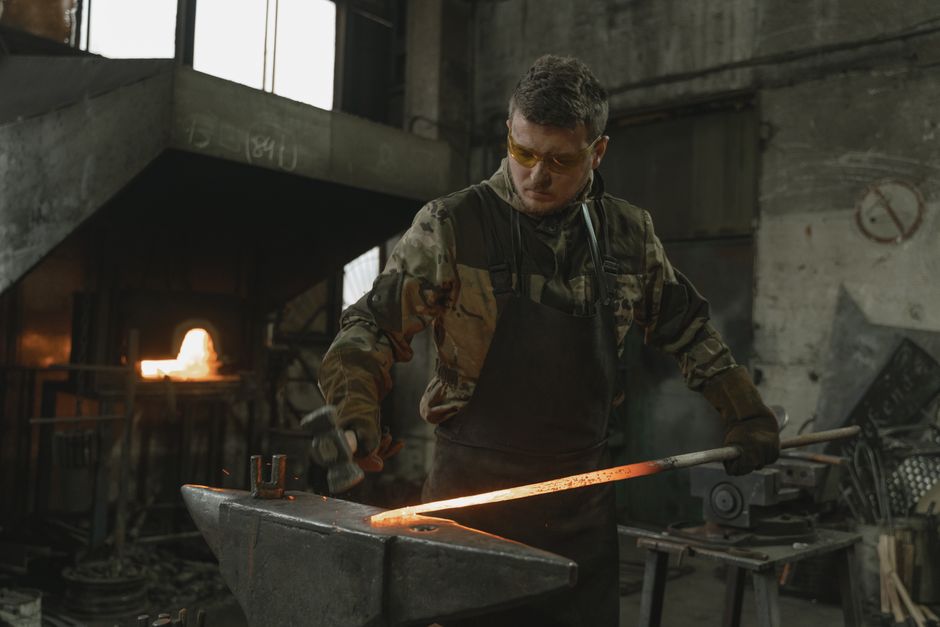
Performance testing subjects forged wheels to conditions far exceeding normal use. The cornering fatigue test simulates aggressive driving by repeatedly applying lateral forces equivalent to high-speed cornering. Wheels must withstand hundreds of thousands of load cycles without showing signs of fatigue cracking or structural deformation. This testing validates the wheel's durability under extreme driving conditions commonly experienced by Ferrari, Lamborghini, and AMG owners.
Impact testing involves dropping a weighted striker onto the wheel at multiple angles to simulate pothole strikes and curb impacts. Forged wheels must absorb tremendous impact energy without cracking, bending, or failing catastrophically. The superior grain structure created during forging allows these wheels to flex slightly under impact before returning to their original shape, unlike brittle cast wheels that may crack or shatter.
Radial fatigue testing mounts the wheel on a rotating drum with a weighted load, simulating thousands of miles of driving in compressed time. This test verifies that the wheel maintains structural integrity under constant rotational stress and identifies any potential fatigue points in the design. Testing standards often require wheels to endure loads representing several times the vehicle's maximum weight capacity.
Surface Treatment and Coating Applications
The final phase of forged wheel manufacturing involves applying protective and aesthetic surface treatments. Powder coating provides durable color finishes that resist chipping, fading, and chemical damage from brake dust and road contaminants. The electrostatic application process ensures uniform coverage, while high-temperature curing creates a hard, resilient finish that maintains its appearance for years.

Anodizing offers an alternative finishing method that electrochemically alters the aluminum's surface, creating a layer of aluminum oxide that is integral to the metal rather than a separate coating. Anodized finishes provide excellent corrosion resistance and are available in various colors, though black and clear anodizing remain most popular for luxury applications. This process enhances durability while adding minimal weight to the finished wheel.
Premium finishing options include brushed, polished, or diamond-cut surfaces that highlight the machined details and spoke designs. These labor-intensive processes require skilled technicians who hand-finish each wheel to achieve flawless mirror-like surfaces or precisely controlled brushed textures. Clear coating protects these decorative finishes from oxidation and corrosion while preserving their visual appeal.
Custom finishing allows vehicle owners to create truly unique wheels that complement their vehicle's aesthetic. Multi-tone finishes combining different colors, textures, and treatments on various wheel components have become increasingly popular among luxury vehicle owners who demand exclusivity. These custom treatments require multiple masking and application steps, significantly extending production time but delivering unmatched visual impact.
Performance Advantages for Luxury Vehicle Applications
The forged wheel manufacturing process delivers tangible performance benefits that luxury vehicle owners immediately notice. Weight reduction of 20-40% compared to cast wheels dramatically decreases unsprung mass, improving suspension responsiveness, acceleration, braking, and handling precision. Reducing rotational mass at the wheels requires less energy to accelerate and decelerate, enhancing overall vehicle dynamics.
Superior strength-to-weight ratios allow forged wheels to utilize thinner spoke sections and optimized designs that would be impossible with cast construction. This engineering freedom enables designers to create wheels that look aggressive and purposeful while maintaining structural integrity under extreme loads. The reduced weight also decreases stress on suspension components, extending their service life and maintaining precise alignment longer.
Heat dissipation characteristics of forged wheels benefit braking performance, especially when paired with carbon ceramic brake systems. The increased surface area and optimized spoke designs promote airflow around brake components, helping maintain consistent temperatures during aggressive driving. Proper thermal management prevents brake fade and extends the service life of expensive brake components on vehicles like the Porsche 911 Turbo S or Lamborghini Huracan.
The molecular structure created during forging provides exceptional impact resistance and fatigue life. Forged wheels can absorb punishment from aggressive track use, rough roads, and occasional curb strikes without developing structural damage. This durability proves especially valuable for owners who drive their exotic vehicles regularly rather than treating them as garage ornaments. The investment in forged wheels pays dividends through years of reliable performance and maintained resale value.
Conclusion
Understanding the forged wheel manufacturing process reveals why these components represent the ultimate upgrade for luxury vehicle owners who demand the best. From the initial forging of aerospace-grade aluminum billets under thousands of tons of pressure to precision CNC machining, rigorous testing, and premium finishing, every step contributes to creating wheels that dramatically outperform alternatives in strength, weight, and appearance.
The manufacturing complexity and time investment required to produce authentic forged wheels justifies their premium pricing while delivering measurable performance improvements. Whether choosing monoblock construction for maximum rigidity or multi-piece designs for customization flexibility, forged wheels transform how exotic vehicles handle, accelerate, and stop while enhancing their visual presence.
For owners of Ferrari, Lamborghini, AMG, Porsche, and Hummer EV vehicles seeking the ultimate in wheel technology, the forged manufacturing process produces components worthy of these exceptional automobiles. The combination of advanced metallurgy, precision engineering, and rigorous quality control ensures that forged wheels meet the exacting standards required by discerning enthusiasts who accept nothing less than perfection in every component of their prized vehicles.