

Forged vs Cast Aluminum Wheels Comparison
Forged vs Cast Aluminum Wheels Comparison
When upgrading your high-performance luxury vehicle, wheel selection dramatically impacts both aesthetics and performance. The debate between forged aluminum and cast wheels is fundamental to understanding how your wheel choice influences handling, weight, and overall driving dynamics. For owners of elite vehicles like Ferrari, Lamborghini, Porsche, and Mercedes-AMG, this decision goes beyond mere appearance—it's about maximizing the potential of precision-engineered automotive components.
Both forged and cast aluminum wheels serve the same basic function, but their manufacturing processes create vastly different performance characteristics. Understanding these differences helps you make an informed investment that aligns with your driving priorities and vehicle capabilities.
Manufacturing Process Differences
The fundamental distinction between forged and cast wheels lies in how they're manufactured. Cast wheels are produced by pouring molten aluminum into a mold, allowing it to cool and solidify. This process is relatively straightforward and cost-effective, making cast wheels accessible for a wider market. The aluminum maintains a granular structure with air pockets that, while manageable, create inherent limitations in strength and weight optimization.

Forged wheels undergo a dramatically different creation process. Manufacturers start with a solid aluminum billet and apply extreme pressure—often exceeding 900 tons—to compress and shape the material. This forging process eliminates air pockets, aligns the aluminum's molecular structure, and creates an incredibly dense, uniform material. The result is a wheel that's simultaneously stronger and lighter than its cast counterpart.
The forged monoblock construction represents the pinnacle of wheel engineering, where the entire wheel is crafted from a single piece of aluminum. This approach maximizes structural integrity while allowing manufacturers to reduce material thickness in non-critical areas, further decreasing rotational mass without compromising safety or performance.
Weight and Performance Impact
Weight reduction is where forged wheels truly distinguish themselves. A typical forged wheel can weigh 25-40% less than a comparable cast wheel of the same size. This difference might seem modest on paper, but the performance implications are profound. Unsprung weight—the mass of components not supported by the suspension—directly affects how your vehicle responds to road surfaces, accelerates, and handles.
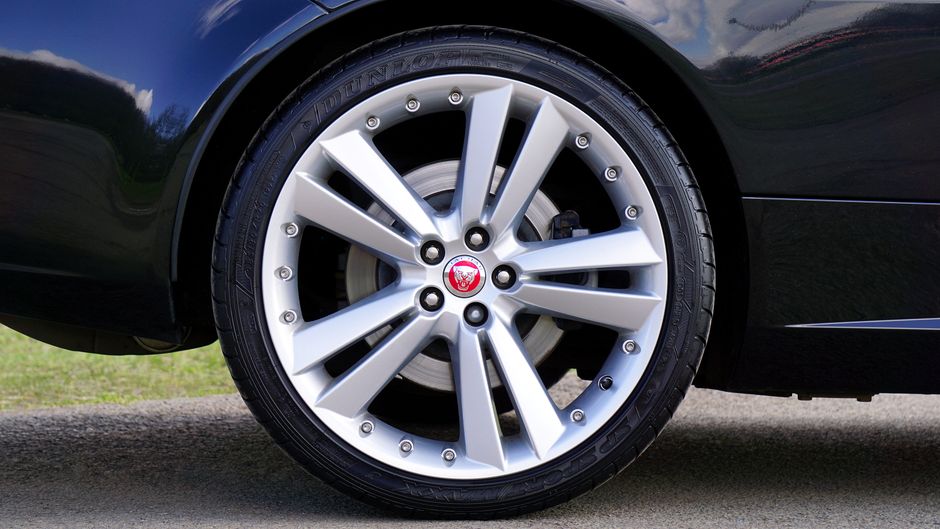
Reduced rotational mass means your engine works less to accelerate the wheels, improving both straight-line performance and fuel efficiency. When you're pushing a Lamborghini Huracan through corner apexes or launching a Porsche 911 Turbo from a standstill, every kilogram matters. The lighter wheels also reduce the workload on your suspension components, allowing dampers and springs to respond more precisely to road irregularities.
Similar to how regular physical activity improves cardiovascular efficiency as recommended by health authorities, reducing rotational mass improves mechanical efficiency throughout your vehicle's drivetrain. The compound benefits extend beyond acceleration to include improved braking response, reduced brake fade, and enhanced steering feedback.
The precision-engineered forged wheel options available for exotic vehicles deliver weight savings that directly translate to measurable performance gains on both street and track applications.
Strength and Durability Considerations
Strength-to-weight ratio represents the most compelling advantage of forged construction. The molecular alignment created during the forging process produces aluminum that's up to three times stronger than cast aluminum. This superior strength allows manufacturers to use less material while maintaining or exceeding safety standards, creating the virtuous cycle of reduced weight without compromising structural integrity.

Cast wheels, while adequate for many applications, have inherent limitations in their molecular structure. The grain boundaries and microscopic air pockets created during cooling create potential stress concentration points. Under extreme conditions—whether from high-speed cornering forces, aggressive braking, or impact from road hazards—these weaknesses can propagate into cracks or failures.
Forged wheels demonstrate superior impact resistance. When a forged wheel encounters a pothole or road debris, the uniform material structure distributes stress more evenly. Rather than cracking, a forged wheel is more likely to bend, and in many cases, a bent forged wheel can be repaired to its original specifications. Cast wheels typically crack rather than bend, often requiring complete replacement.
For vehicles equipped with advanced carbon ceramic brake systems, the wheel's structural integrity becomes even more critical. The extreme braking forces generated by carbon ceramic brakes demand wheels that can withstand repeated thermal cycling and mechanical stress without degradation.
Aesthetic Design Flexibility
The superior strength of forged aluminum enables design possibilities impossible with cast construction. Wheel designers can create intricate spoke patterns, deeper concave profiles, and aggressive fitments without sacrificing structural integrity. The ability to use less material in strategic areas allows for complex geometries that would be too fragile in cast aluminum.
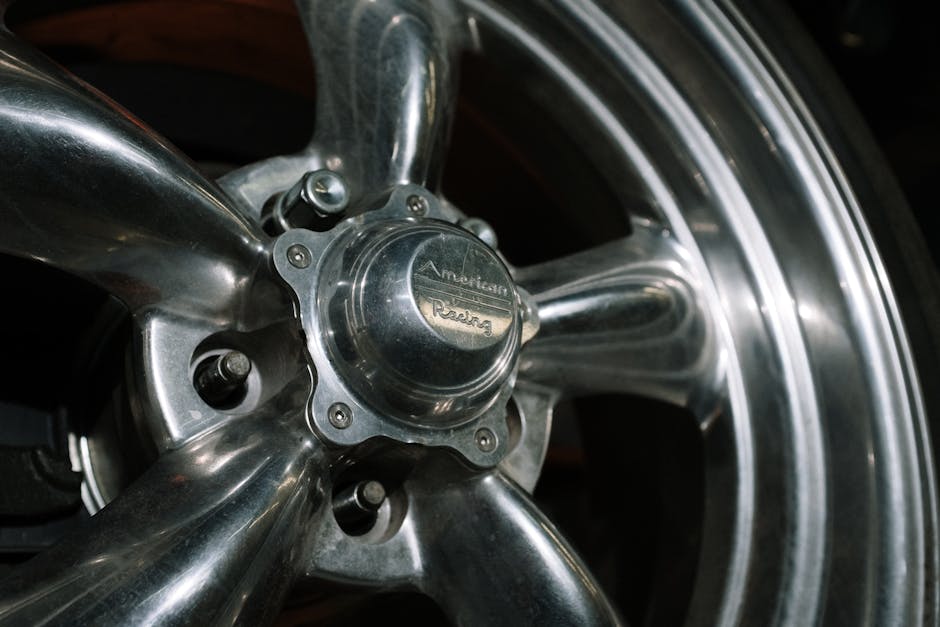
Modern forged wheels showcase stunning designs with thin, sculpted spokes that reduce visual weight while maintaining engineering excellence. The manufacturing process also allows for precise customization, including specific offset adjustments, center bore modifications, and custom finishes that complement your vehicle's unique character.
Cast wheels, constrained by their manufacturing process, typically feature thicker spoke designs and less dramatic concave profiles. While modern low-pressure and counter-pressure casting techniques have improved design flexibility, they still cannot match the artistic freedom available with forged construction.
For owners seeking the ultimate in lightweight performance combined with cutting-edge aesthetics, carbon fiber wheel options represent the next evolution beyond traditional forged aluminum, offering even greater weight savings with distinctive visual presence.
Cost Analysis and Long-Term Value
The financial investment required for forged wheels significantly exceeds cast wheel pricing. A set of premium forged wheels for a Ferrari or Lamborghini can cost three to five times more than equivalent cast wheels. This price differential reflects the complex manufacturing process, superior materials, and extensive engineering required to produce forged wheels.

However, evaluating wheels solely on initial purchase price overlooks important long-term considerations. Forged wheels' superior durability means they're more likely to survive impacts that would destroy cast wheels. The repairability of forged construction can save thousands in replacement costs over the wheel's lifetime. Additionally, the performance benefits—improved handling, acceleration, and braking—enhance your vehicle's capabilities in ways that cast wheels cannot match.
For vehicles in the ultra-luxury segment where Players Club Cars specializes, the percentage increase in wheel investment relative to the vehicle's total value becomes more reasonable. When you've invested in a Porsche GT3 RS or Mercedes-AMG GT Black Series, optimizing every performance parameter through premium components aligns with the vehicle's purpose and your expectations.
The resale value consideration also favors forged wheels. Enthusiasts recognize the performance advantages and are willing to pay premiums for vehicles equipped with quality forged wheels. When combined with other high-performance upgrades like exploring luxury car customization trends, your vehicle becomes more desirable in the secondary market.
Application-Specific Recommendations
Selecting between forged and cast wheels depends on your specific use case and priorities. For daily drivers used primarily in urban environments with minimal performance demands, quality cast wheels provide adequate performance at accessible pricing. Many luxury vehicle manufacturers equip their standard models with cast wheels that serve typical ownership patterns perfectly well.
Performance-oriented applications demand forged construction. Track days, spirited canyon driving, or any scenario where you're exploring your vehicle's dynamic limits benefit immensely from reduced unsprung weight and superior wheel strength. The improved heat dissipation of forged wheels also supports aggressive brake systems, preventing heat soak that can compromise performance during extended sessions.
For vehicles like the GMC Hummer EV, where extreme weight challenges traditional wheel design, advanced materials and construction methods become essential. The specialized lightweight wheel solutions engineered for electric performance vehicles demonstrate how material science advances enable capability previously impossible with conventional cast construction.
Climate and road conditions also influence wheel selection. Regions with harsh winters, aggressive road salting, or poorly maintained infrastructure may accelerate wheel degradation. Forged wheels' superior corrosion resistance and impact durability provide additional protection in challenging environments, potentially justifying their premium through extended service life.
Just as maintaining consistent physical activity promotes overall health according to established medical guidance, choosing appropriate wheel construction for your specific driving conditions promotes optimal vehicle performance and longevity.
Conclusion
The comparison between forged aluminum and cast wheels reveals clear performance advantages for forged construction, particularly in weight reduction, strength, and design flexibility. While cast wheels serve many applications adequately at accessible price points, forged wheels deliver measurable improvements in handling, acceleration, and durability that justify their premium for performance-focused applications.
For owners of exotic and luxury vehicles seeking to maximize their investment, forged wheels represent a fundamental upgrade that enhances every aspect of driving dynamics. The reduced rotational mass, superior impact resistance, and advanced design possibilities align perfectly with the engineering excellence embodied in Ferrari, Lamborghini, Porsche, and Mercedes-AMG vehicles.
Players Club Cars specializes in providing precision-engineered forged wheel solutions specifically tailored to high-performance luxury vehicles. With worldwide shipping and limited production runs ensuring exclusivity, these components deliver the performance advantages and aesthetic distinction that discerning enthusiasts demand from their automotive upgrades.