

Exploring Luxury Car Customization Trends
Exploring Luxury Car Customization Trends
The luxury automotive customization industry has evolved dramatically in recent years, transforming from simple cosmetic upgrades to precision-engineered performance enhancements that redefine what's possible with high-end vehicles. As we move through 2026, discerning owners of Ferrari, Lamborghini, Porsche, Mercedes-AMG, and other elite marques are demanding more than just exclusivity—they're seeking personalized performance, distinctive aesthetics, and cutting-edge technology that reflects their individual vision.
This comprehensive exploration examines the latest trends shaping luxury car customization, from revolutionary materials science to bespoke wheel designs and next-generation braking systems. Whether you're a seasoned collector or new to the world of high-performance customization, understanding these trends will help you make informed decisions about enhancing your prized vehicle.
The Rise of Carbon Fiber Components
Carbon fiber has transcended its motorsport origins to become the material of choice for luxury vehicle customization. This remarkable composite offers an unmatched strength-to-weight ratio, delivering both performance benefits and aesthetic distinction. In 2026, carbon fiber applications have expanded far beyond simple hood panels and spoilers.
Today's most sophisticated customizers are producing carbon fiber wheels that combine the visual drama of exposed weave patterns with genuine performance advantages. These wheels typically reduce unsprung weight by 30-40% compared to traditional alloy designs, improving acceleration, braking response, and handling precision. The rotational mass reduction is particularly noticeable during aggressive driving, where every pound matters.
Advanced carbon fiber manufacturing techniques have enabled the creation of increasingly complex geometries. Modern autoclave processes and proprietary resin systems ensure structural integrity that meets or exceeds OEM specifications while achieving weight savings that were impossible just a few years ago. The finish quality has also improved dramatically, with clear-coat applications that protect the material while showcasing its distinctive pattern.
Beyond wheels, carbon fiber has become integral to comprehensive vehicle transformations. Body panels, interior trim, aerodynamic components, and even structural reinforcements now leverage this advanced composite. For instance, carbon fiber engine bay accents for sports cars not only elevate aesthetics but also contribute to weight savings. The material's versatility allows customizers to maintain or even improve chassis rigidity while shedding significant weight—a critical advantage for track-focused builds and daily drivers alike.
Forged Wheel Innovation and Design Evolution
While carbon fiber captures attention, forged wheels remain the cornerstone of serious performance customization. The forging process—which involves compressing and shaping aluminum alloy under extreme pressure—creates a grain structure that's significantly stronger than cast alternatives. This superior strength allows for more aggressive spoke designs, larger diameter options, and reduced weight without compromising safety.
The latest forged wheels showcase unprecedented design creativity. Multi-piece constructions allow for mix-and-match finishes, with barrel sections in contrasting colors or textures from face components. This modularity also facilitates easier repairs and refinishing, extending the lifespan of these premium components.
Contemporary wheel design trends favor architectural complexity. Deep concave profiles, intricate spoke patterns, and dramatic negative space create visual interest that complements modern supercar aesthetics. Customizers are increasingly requesting bespoke designs that reference their vehicle's specific character—whether that's the angular aggression of a Lamborghini or the refined sophistication of a Porsche.
Size optimization has become more nuanced as well. While the "bigger is better" mentality dominated previous decades, today's enthusiasts recognize that proper sizing involves balancing aesthetics with performance considerations. Tire availability, brake clearance, suspension geometry, and intended use all factor into specification decisions. The most successful builds achieve visual impact while maintaining or improving dynamic capabilities.
Carbon Ceramic Brake Systems: Performance Meets Longevity
Perhaps no customization component has seen more technological advancement than braking systems. Carbon ceramic brake rotors have emerged as the definitive upgrade for serious enthusiasts, offering extraordinary performance across multiple dimensions.
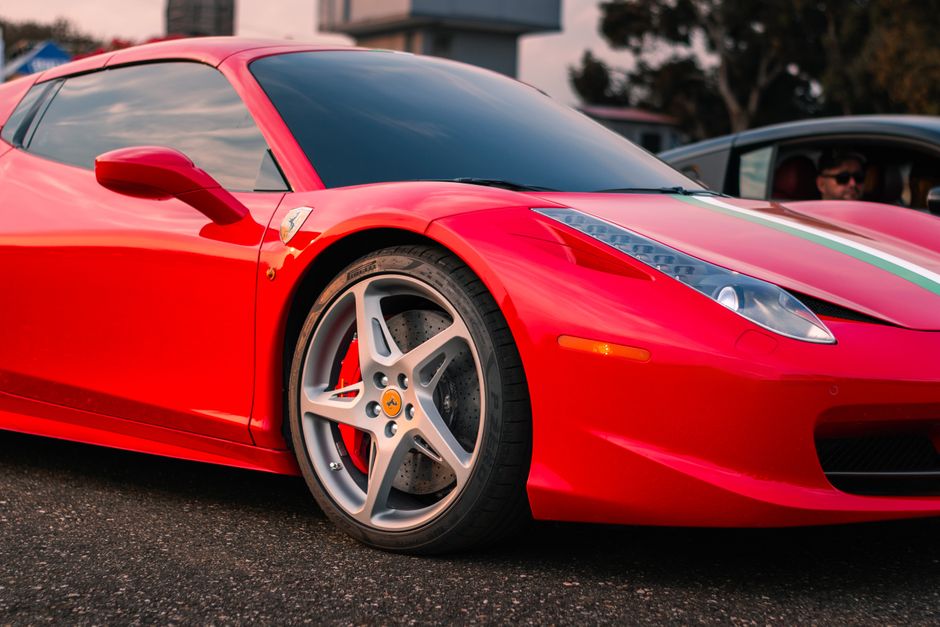
The fundamental advantage of carbon ceramic technology lies in thermal stability. These advanced rotors maintain consistent friction characteristics across extreme temperature ranges, eliminating the fade that plagues traditional iron rotors during aggressive driving. This consistency translates to predictable pedal feel and reliable stopping power whether you're navigating mountain roads or pushing limits on a dedicated track.
Longevity represents another compelling benefit. While the initial investment in carbon ceramic systems exceeds conventional alternatives, these rotors can last 150,000 miles or more under normal driving conditions—potentially the lifetime of the vehicle. This durability stems from the material's exceptional hardness and resistance to wear, particularly when paired with appropriate pad compounds.
Weight reduction shouldn't be overlooked either. Carbon ceramic rotors typically weigh 50% less than equivalent iron rotors, reducing unsprung and rotational mass with all the associated handling benefits. This weight savings becomes increasingly significant with larger rotor diameters, where the performance advantages compound.
Modern carbon ceramic systems also incorporate sophisticated features like directional vane designs for optimal cooling, two-piece constructions that separate the friction ring from the mounting hat, and application-specific compounds tuned for different performance envelopes. These refinements ensure that brake upgrades deliver measurable improvements in real-world driving scenarios.
Personalization Beyond Performance: Aesthetic Customization
While performance enhancements dominate technical discussions, aesthetic customization remains equally important to luxury vehicle owners. The desire for exclusivity drives demand for unique visual treatments that set individual vehicles apart from factory specifications and other customized examples.
Finish options have proliferated exponentially. Beyond traditional polished, matte, and gloss powder coating, today's customizers offer ceramic coatings, PVD treatments, and specialized anodizing processes that create distinctive appearances while providing superior protection. Brushed finishes, contrast machining, and multi-tone applications add further differentiation possibilities.
Color-matching and custom color development have become standard expectations. Whether complementing existing vehicle livery or creating deliberate contrast, precision color work demonstrates attention to detail that discerning owners appreciate. Some customizers maintain libraries of vehicle-specific color codes, while others develop entirely unique hues through collaborative consultation processes.
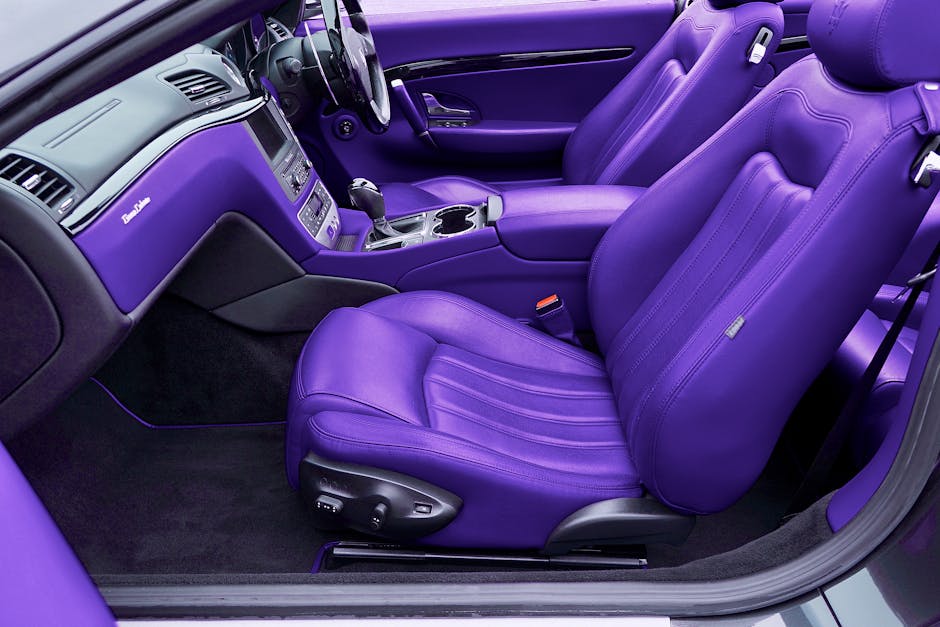
The trend toward comprehensive aesthetic coherence means that wheels, brake components, and carbon fiber elements increasingly coordinate as unified design statements. For example, customizing Ferrari interior carbon fiber components can seamlessly integrate with exterior accents for a cohesive theme. Rather than treating each component as an isolated upgrade, thoughtful customization considers the complete visual narrative. This holistic approach yields results that appear intentional rather than assembled from disparate parts.
Detailing features like custom center caps, branded caliper covers, and engraved components add personal touches that transform functional upgrades into expressions of ownership pride. These finishing details, though subtle, demonstrate the level of craftsmanship that separates premium customization from basic modification.
Electric Performance Vehicles: The New Customization Frontier
The emergence of electric luxury performance vehicles has created entirely new customization opportunities and challenges. Vehicles like the Porsche Taycan, GMC Hummer EV, and upcoming electric supercars demand specialized approaches that account for their unique characteristics.
Weight considerations become even more critical with electric vehicles. The substantial battery packs that power these machines add hundreds or even thousands of pounds compared to traditional powertrains. Every opportunity for weight reduction—whether through lightweight wheels, carbon fiber components, or advanced brake systems—delivers proportionally greater benefits for handling dynamics and efficiency.
Wheel specifications for electric vehicles require particular attention to load ratings and brake clearance. The instant torque delivery and regenerative braking systems generate forces that demand robust components engineered specifically for these applications. Customizers working with electric platforms must understand these unique requirements to ensure both safety and performance.
Brake system customization for EVs presents interesting considerations. While regenerative braking reduces friction brake usage during normal driving, track and performance scenarios still demand substantial stopping power. The weight of electric vehicles means larger rotors and more aggressive pad compounds become necessary for consistent performance. Systems designed specifically for applications like the Hummer EV must accommodate massive vehicle weight while fitting within specific wheel envelope constraints.
Aerodynamic efficiency gains new importance in the electric context. While combustion vehicles benefit from reduced drag, electric vehicles see direct range improvements from aerodynamic refinements. Carbon fiber body components that reduce weight while optimizing airflow deliver dual benefits that traditional performance vehicles cannot fully exploit.
Limited Production and Worldwide Accessibility
The luxury customization market has always valued exclusivity, but 2026's approach to limited production represents thoughtful constraint rather than artificial scarcity. Premium customizers like Players Club Cars produce components in deliberately small quantities to ensure quality control, maintain exclusivity, and allow for application-specific engineering that mass production cannot accommodate.
This limited production philosophy ensures that each component receives appropriate attention during manufacturing and quality assurance processes. Rather than churning out thousands of identical units, small-batch production allows for iterative refinement, material selection optimization, and finish quality that meets the exacting standards of luxury vehicle owners.
Despite limited quantities, worldwide shipping capabilities have democratized access to premium customization components. Geographic location no longer constrains enthusiasts to local suppliers of varying quality. International logistics networks, specialized shipping methods, and expert packaging ensure that precision-engineered components arrive safely regardless of destination.
The global nature of today's customization market also facilitates knowledge sharing and trend cross-pollination. Design innovations from European tuning houses influence American builders, while engineering solutions developed for Middle Eastern climates benefit enthusiasts worldwide. This international exchange elevates the entire industry, pushing boundaries and establishing new benchmarks for excellence.
Digital communication tools enable remote consultations, specification reviews, and fitment confirmations that were previously impossible. High-resolution imaging, video calls, and detailed technical documentation allow customizers and clients to collaborate effectively across continents, ensuring that finished products meet expectations even when face-to-face meetings aren't practical.
Conclusion: The Future of Luxury Customization
Luxury vehicle customization in 2026 represents a sophisticated convergence of materials science, engineering excellence, and artistic vision. The trends explored throughout this article—from carbon fiber innovation to electric vehicle adaptation—demonstrate an industry committed to pushing boundaries while respecting the heritage and performance capabilities of the world's finest automobiles.
For owners of Ferrari, Lamborghini, Porsche, Mercedes-AMG, and other prestigious marques, the customization landscape offers unprecedented opportunities to personalize and enhance their vehicles. Whether prioritizing track performance, aesthetic distinction, or comprehensive transformation, today's precision-engineered components deliver measurable improvements backed by rigorous development and quality assurance.
The emphasis on limited production, worldwide accessibility, and application-specific engineering ensures that customization enhances rather than compromises the characteristics that make luxury vehicles special. As materials continue evolving, manufacturing processes advance, and new vehicle platforms emerge, the customization industry will adapt and innovate, maintaining its position at the intersection of automotive passion and technical excellence.
Investing in premium customization components means joining a community of enthusiasts who demand more from their vehicles—more performance, more exclusivity, more expression of individual taste. The trends shaping 2026 point toward an exciting future where the boundaries between factory engineering and aftermarket innovation continue blurring, creating opportunities that benefit everyone who appreciates automotive excellence.