

Best Brake Pad Compounds for Street and Track
Best Brake Pad Compounds for Street and Track
Choosing the right brake pad compound is one of the most critical decisions for performance vehicle owners who demand optimal stopping power both on public roads and race tracks. The brake pads you select directly influence braking performance, pedal feel, rotor wear, noise levels, and thermal management. For owners of high-performance vehicles like Ferrari, Lamborghini, Porsche, and AMG models, understanding brake pad compound characteristics ensures you maximize safety and performance across diverse driving conditions.
In 2026, brake pad technology continues to evolve with advanced material science delivering compounds that balance everyday drivability with track-ready performance. This comprehensive guide examines the best brake pad compounds available, helping you make informed decisions for your luxury performance vehicle.
Understanding Brake Pad Compound Fundamentals
Brake pad compounds consist of various materials bonded together to create friction when pressed against brake rotors. The compound formulation determines operational temperature range, friction coefficient, wear characteristics, and compatibility with different rotor materials. Understanding these fundamentals helps you select pads that match your driving style and vehicle requirements.

The friction coefficient represents how effectively pads convert kinetic energy into heat during braking. Higher coefficients provide stronger initial bite and shorter stopping distances, but may compromise cold performance or rotor longevity. Temperature range defines the operational window where pads maintain consistent performance—critical when transitioning between street driving and aggressive track sessions.
Modern brake systems, especially those equipped with carbon ceramic brake rotors, require pad compounds specifically engineered to work with advanced rotor materials. Mismatched combinations result in reduced performance, excessive wear, or even damage to expensive brake components. If you're looking to upgrade your brake rotors, consider reading our guide on How to Choose Performance Brake Rotors for more insights.
Organic and Semi-Metallic Street Compounds
Organic brake pads, also known as non-asbestos organic (NAO) compounds, utilize materials like rubber, Kevlar, fiberglass, and resins. These pads excel in street applications where quiet operation, minimal dust production, and rotor preservation matter most. Organic compounds generate less noise than metallic alternatives and produce fine dust that's less visible on premium wheels.

Semi-metallic compounds incorporate steel fibers, copper, iron, and friction modifiers ranging from 30% to 65% metal content. These pads offer improved heat dissipation compared to organic compounds, making them suitable for spirited street driving and occasional track days. Semi-metallic pads provide stronger initial bite and better fade resistance than purely organic options.
For luxury vehicle owners who primarily drive on streets with occasional performance driving, semi-metallic compounds deliver an excellent balance. They handle moderate temperatures while maintaining the refinement expected in high-end vehicles. However, they produce more brake dust than organic pads and may create additional rotor wear over time.
High-Performance Street and Track Compounds
Bridging the gap between street comfort and track capability, high-performance street/track compounds use advanced friction materials that maintain effectiveness across broader temperature ranges. These pads typically feature ceramic elements combined with metallic components, creating compounds that work reasonably well in cold conditions while resisting fade during aggressive driving.

Low-metallic NAO compounds represent another category in this performance segment. With 10-30% metal content, these pads generate less noise and dust than semi-metallics while offering improved stopping power compared to pure organic compounds. They suit performance enthusiasts who occasionally push their vehicles hard but want daily-drivable characteristics.
Players Club Cars recommends pairing high-performance compounds with upgraded brake systems, particularly when installing performance brake kits designed for exotic vehicles. The combination of advanced pads and precision-engineered rotors maximizes braking performance without compromising street manners. For those with a McLaren 720s, exploring Aftermarket Parts for Mclaren 720s Guide can help identify complementary upgrades.
Temperature Management Considerations
Brake pad compounds operate within specific temperature windows where they deliver optimal friction. Street compounds typically work best between 0-400°F (0-200°C), while aggressive track pads may require 200-1800°F (93-980°C) to achieve peak performance. Using track-only pads on cold streets results in poor initial bite and increased stopping distances.
Understanding your typical driving patterns helps select appropriate compounds. Weekend canyon drives differ significantly from timed lapping sessions at a professional circuit. Many performance vehicle owners maintain multiple pad sets, swapping to track-specific compounds before competitive events.
Racing and Track-Dedicated Brake Pads
Track-dedicated brake pads utilize aggressive compounds engineered for extreme temperatures and repeated hard stops. These materials include sintered metals, carbon-metallic blends, and advanced ceramic matrices that maintain consistent friction coefficients even when glowing red-hot. Racing compounds prioritize maximum stopping power and fade resistance over noise, dust, and rotor wear considerations.

Carbon-metallic racing pads represent the pinnacle of brake pad technology, offering exceptional thermal stability and friction consistency. These compounds work synergistically with carbon ceramic brake systems, delivering the ultimate combination for track performance. The advanced materials resist thermal degradation while providing linear pedal response that inspires driver confidence.
However, racing pads demand proper warm-up before delivering peak performance. Cold performance suffers significantly, making these compounds dangerous for street use where emergency stops might occur before reaching optimal operating temperature. Additionally, racing pads generate substantial dust and noise while accelerating rotor wear.
Bedding Procedures for Track Pads
Track-oriented brake pads require proper bedding procedures to transfer a thin friction layer onto rotor surfaces. This process involves progressive heat cycles that cure the compound and establish optimal pad-to-rotor contact. Skipping bedding procedures results in uneven braking, vibration, and premature pad glazing that compromises performance.
Professional installations by specialists familiar with high-performance brake systems ensure proper bedding and verify compatibility with your specific vehicle platform. This attention to detail proves especially critical when upgrading from standard brakes to advanced systems with specialized rotor materials.
Material Compatibility and Rotor Selection
Brake pad compound selection cannot be separated from rotor material considerations. Traditional cast iron rotors tolerate a wide range of pad compounds, from soft organic to aggressive racing formulations. However, advanced rotor materials demand specific pad compatibility to prevent damage and maximize performance.
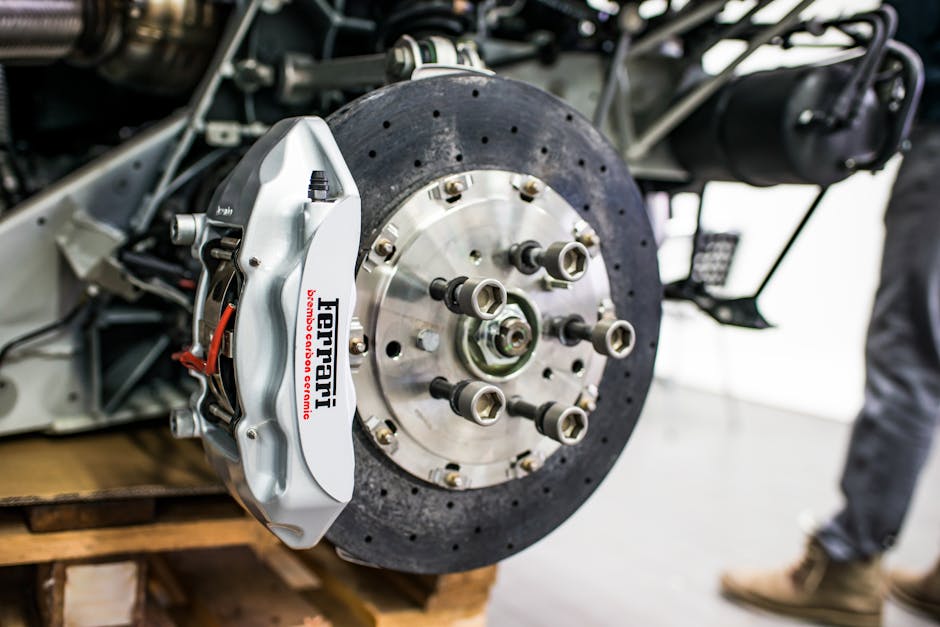
Carbon ceramic rotors require specially formulated pads that generate appropriate friction without damaging the ceramic matrix. Using incorrect pad compounds on carbon ceramic systems results in reduced stopping power, uneven wear patterns, or catastrophic rotor failure. Manufacturers engineer specific compounds tested extensively with their carbon ceramic brake systems.
Two-piece floating rotor designs, particularly those with aluminum hats and iron or carbon ceramic friction rings, benefit from pads that manage differential thermal expansion. Players Club Cars offers precision-engineered 2-piece rotors designed to work seamlessly with recommended pad compounds, ensuring optimal performance and longevity.
Matching Compounds to Vehicle Weight
Vehicle mass significantly influences brake pad selection. Heavier vehicles like the Hummer EV require compounds with higher thermal capacity and wear resistance compared to lighter sports cars. The increased kinetic energy of heavier vehicles generates more heat during braking, demanding pads that maintain friction coefficients at elevated temperatures.
Compound manufacturers specify weight ranges and recommended applications for each pad formulation. Consulting these guidelines ensures you select pads engineered for your specific vehicle platform. Custom brake systems from specialized suppliers account for vehicle weight when recommending optimal pad and rotor combinations.
Selecting the Optimal Compound for Your Needs
Determining the best brake pad compound requires honest assessment of your driving habits, performance goals, and tolerance for compromises. Daily drivers who occasionally attend track days benefit from dual-purpose compounds offering acceptable street manners with moderate track capability. Dedicated track vehicles prioritize maximum stopping power regardless of street-driving limitations.
Consider maintaining separate wheel and brake pad sets for street and track use. This approach allows optimizing each configuration for its specific environment without compromise. Quick wheel changes between street and track sessions become routine with proper equipment and preparation.
Budget considerations extend beyond initial pad costs to include rotor wear rates, frequent pad replacements, and potential system upgrades. Aggressive track pads may cost less initially but accelerate rotor wear, potentially requiring expensive replacements sooner than anticipated. Comprehensive cost analysis includes all consumables over expected service life.
Professional Consultation and Installation
Complex brake system upgrades benefit from professional consultation with specialists who understand high-performance applications. Expert guidance ensures component compatibility, proper installation procedures, and realistic performance expectations. This expertise proves invaluable when selecting compounds for vehicles worth hundreds of thousands of dollars.
Professional installers verify brake system health, inspect for worn components, and properly bed new pads according to manufacturer specifications. They also provide valuable insights about pad performance characteristics specific to your vehicle model and typical driving conditions. For those aiming to enhance other aspects of their high-performance car, such as aesthetics or engine bay cooling, exploring Carbon Fiber Engine Bay Accents for Sports Cars could offer further inspiration.
Conclusion
Selecting the best brake pad compound for street and track use demands understanding the relationships between friction materials, operating temperatures, rotor compatibility, and intended applications. No single compound excels across all conditions, requiring owners to prioritize characteristics most important for their driving style. Street-focused compounds emphasize quiet operation, low dust, and cold performance, while track compounds sacrifice these conveniences for maximum stopping power and fade resistance under extreme conditions.
For owners of high-performance luxury vehicles, investing in proper brake components and compounds ensures safety and performance worthy of your investment. Whether upgrading to advanced carbon ceramic systems or optimizing existing setups, selecting appropriate pad compounds tailored to your specific needs maximizes braking performance while protecting expensive components. The right combination of rotors, pads, and proper installation delivers confidence-inspiring stopping power every time you press the pedal, whether navigating city streets or attacking a challenging track circuit.