

Why Upgrade to Carbon Ceramic Brakes
For owners of high-performance luxury vehicles like Ferrari, Lamborghini, Porsche, and Mercedes-AMG, the braking system represents far more than a safety feature—it's a critical component that defines the entire driving experience. While traditional cast iron rotors have served the automotive industry for decades, carbon ceramic brakes have emerged as the ultimate performance upgrade for discerning enthusiasts who demand nothing less than exceptional stopping power, reduced weight, and uncompromising reliability. In 2026, the technology behind carbon ceramic braking systems has matured to a point where they're no longer reserved exclusively for factory-spec supercars; they're now accessible as aftermarket upgrades that transform how your vehicle performs on both street and track.
The decision to upgrade to carbon ceramic brakes isn't just about following trends—it's about fundamentally enhancing your vehicle's capabilities while simultaneously reducing maintenance intervals and improving overall driving dynamics. This comprehensive guide explores the compelling reasons why upgrade to carbon ceramic brakes represent one of the most significant performance upgrades you can make to your luxury sports car.
Superior Heat Management and Fade Resistance
The most critical advantage of carbon ceramic brakes lies in their exceptional ability to manage extreme temperatures. During aggressive driving, whether on mountain roads or race circuits, traditional cast iron rotors can reach temperatures exceeding 1,000 degrees Fahrenheit, leading to brake fade—a dangerous condition where stopping power diminishes precisely when you need it most.
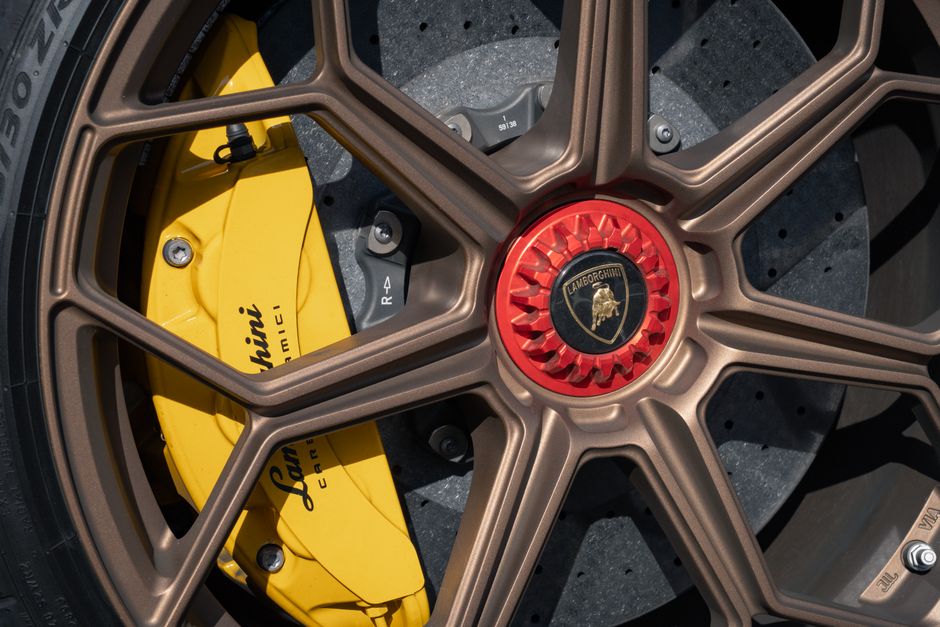
Carbon ceramic rotors, by contrast, can withstand temperatures approaching 2,000 degrees Fahrenheit without experiencing significant fade. The silicon carbide matrix that forms the composite material maintains its structural integrity and friction characteristics even under the most punishing conditions. This means consistent pedal feel and stopping power from the first corner to the last, regardless of how hard you're pushing your vehicle.
For track enthusiasts running multiple sessions, this heat resistance translates to fewer cool-down periods and more time actually driving. Street drivers benefit from absolute confidence during emergency braking situations, knowing their braking system won't falter when split-second decisions matter most. The carbon ceramic brake rotors for AMG, Porsche, Lamborghini, and Ferrari available today are engineered to deliver this performance advantage consistently.
Dramatic Weight Reduction and Improved Handling Dynamics
Perhaps the most immediately noticeable benefit of upgrading to carbon ceramic brakes is the substantial weight savings. A complete set of carbon ceramic rotors typically weighs 50-60% less than equivalent cast iron components. On a high-performance vehicle, this can translate to a reduction of 30-50 pounds of unsprung weight—the weight not supported by the suspension.
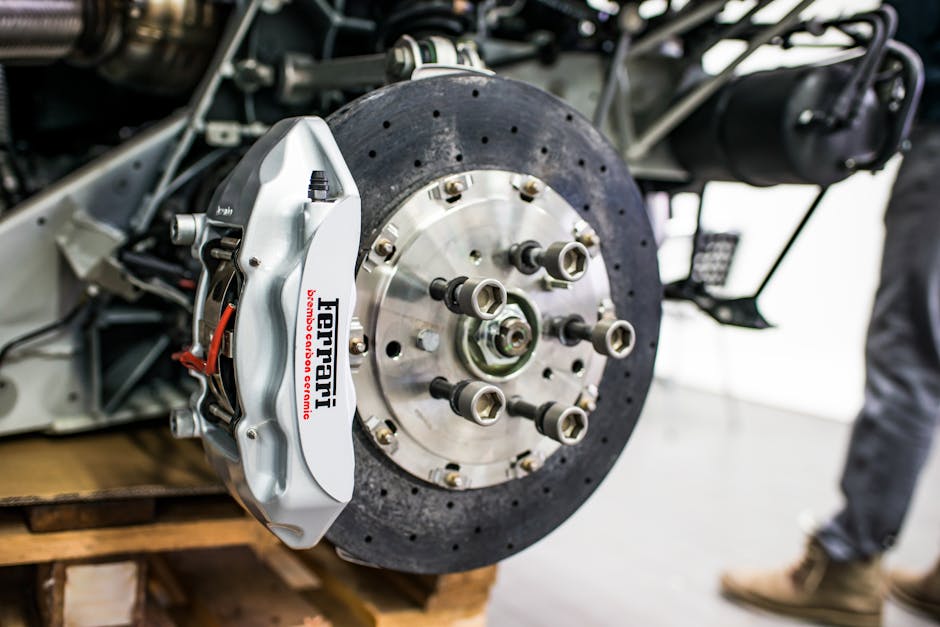
Unsprung weight reduction is among the most valuable modifications you can make to any vehicle. Lower unsprung mass allows suspension components to react more quickly to road surface changes, improving tire contact and overall grip. Your suspension can work more effectively, translating to better handling precision, improved steering response, and enhanced ride quality.
The weight savings also contribute to improved acceleration and braking performance. Less rotational mass means your vehicle's powertrain doesn't work as hard to accelerate the wheels, and conversely, the brakes don't need to overcome as much momentum during deceleration. This creates a more responsive, agile driving experience that you'll feel every time you drive.
For electric performance vehicles like the Hummer EV, reducing weight becomes even more critical due to the inherent mass of battery systems. Every pound saved contributes to improved efficiency and range while enhancing the overall driving dynamics.
Extended Service Life and Reduced Maintenance
While the initial investment in carbon ceramic brakes is substantial, the long-term ownership economics present a compelling value proposition. Carbon ceramic rotors typically last 100,000-150,000 miles or more under normal driving conditions—roughly six to ten times longer than conventional cast iron rotors that might need replacement every 15,000-30,000 miles on high-performance vehicles.
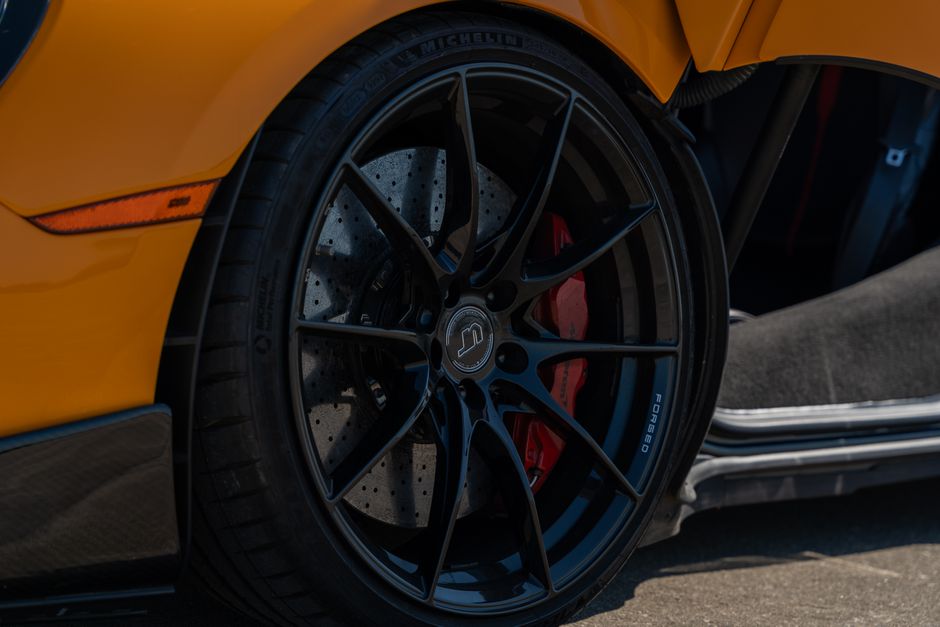
This extended service life stems from the exceptional hardness and wear resistance of the carbon ceramic composite material. The rotors resist the kind of material transfer and wear patterns that quickly degrade cast iron components. Even during aggressive track use, carbon ceramic rotors maintain their surface characteristics far longer than their traditional counterparts.
The reduced maintenance schedule means fewer trips to the shop, less downtime, and ultimately lower total cost of ownership over the life of your vehicle. When you factor in the premium labor rates typically charged for service on exotic and luxury vehicles, the savings become even more significant. Additionally, carbon ceramic brake pads tend to generate less dust than traditional brake pads, keeping your expensive wheels cleaner and reducing the frequency of detailing requirements.
For those considering a comprehensive brake upgrade, exploring carbon ceramic brakes and 2-piece rotors for exotic vehicles reveals options engineered for longevity and consistent performance.
Enhanced Aesthetics and Prestige
Beyond pure performance metrics, carbon ceramic brakes make a visual statement that signals serious performance intent. The distinctive yellow or gold-tinted rotors visible through your wheels immediately identify your vehicle as equipped with serious hardware. For manufacturers like Porsche, Ferrari, and Lamborghini, carbon ceramic brakes are often exclusive to their highest-performing models, making them a badge of honor among enthusiasts.

The aesthetic appeal extends beyond the rotors themselves. Carbon ceramic brakes maintain a cleaner appearance over time, resisting the rust and corrosion that quickly tarnish cast iron rotors, especially in humid or coastal environments. This is particularly important for vehicles with open-spoke wheels designed to showcase the brake system.
When paired with carbon fiber wheels for Porsche, Ferrari, AMG, and Lamborghini, the visual synergy creates a cohesive performance-oriented aesthetic that elevates your vehicle's entire presentation. The lightweight wheels complement the weight-saving benefits of carbon ceramic brakes while creating a stunning visual package.
Consistent Performance Across All Conditions
Traditional braking systems can exhibit unpredictable behavior based on environmental conditions. Cold cast iron rotors require several applications to reach optimal operating temperature, meaning reduced initial bite during the first few stops. Conversely, overheated rotors lose effectiveness precisely when you need maximum performance.
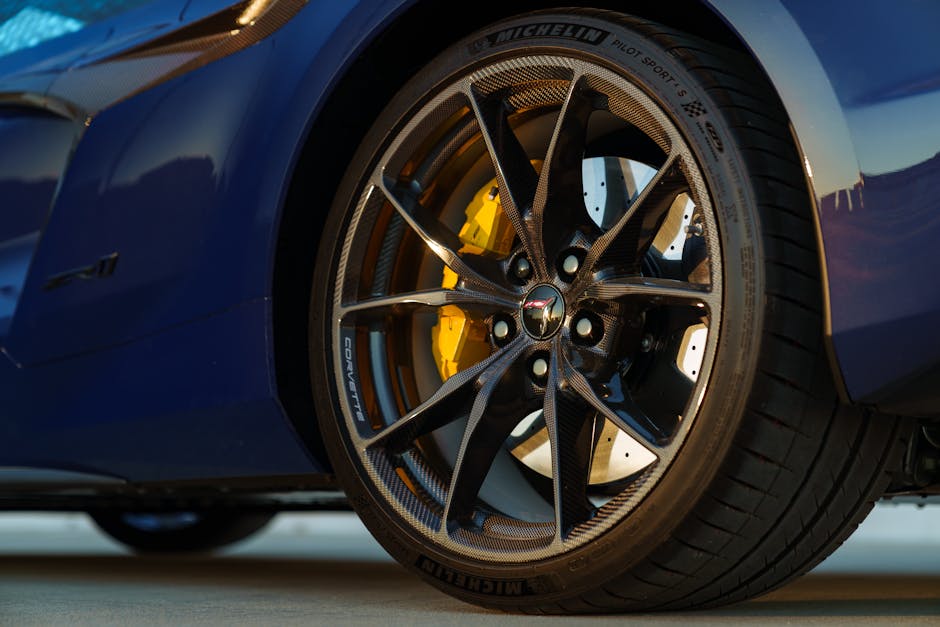
Carbon ceramic brakes deliver far more consistent performance across the temperature spectrum. They provide strong initial bite even when cold, making them ideal for street driving where you might not have the opportunity to "warm up" your brakes before needing full stopping power. This characteristic enhances both safety and confidence during daily driving.
The material's resistance to moisture absorption also means more consistent performance in wet conditions. While all braking systems experience some performance degradation in rain, carbon ceramic rotors recover more quickly and maintain more predictable behavior when water enters the equation. This all-weather capability makes them particularly valuable for vehicles that see year-round use rather than being relegated to fair-weather garage duty.
Technology Developed from Motorsport Heritage
Carbon ceramic brake technology descended directly from Formula 1 and endurance racing applications, where the absolute limits of braking performance are tested every lap. What began as exotic, hand-crafted components for multi-million dollar race cars has evolved into precision-manufactured systems accessible to serious enthusiasts.
The manufacturing process involves layering carbon fiber fabric with a ceramic silicon carbide matrix, then curing the composite at extremely high temperatures in specialized furnaces. This process creates a material with exceptional thermal stability, wear resistance, and strength-to-weight ratio. Modern production techniques have refined these processes to deliver consistent quality while reducing costs compared to earlier generations of the technology.
Today's carbon ceramic brake systems, such as the carbon ceramic brake kit for Porsche 911 Turbo S, GT3 RS, Taycan, Cayenne, and Panamera, incorporate decades of development and real-world testing. They represent the pinnacle of braking technology available for road-going vehicles, providing performance that would have been impossible to achieve just a generation ago.
Investment in Your Vehicle's Performance Potential
Upgrading to carbon ceramic brakes represents a fundamental commitment to maximizing your vehicle's performance potential. While engine modifications and aerodynamic enhancements often receive more attention, experienced drivers understand that braking capability ultimately determines how fast you can drive on any road or circuit. Superior brakes allow you to carry more speed deeper into corners, brake later, and drive with greater confidence knowing you can scrub speed precisely when needed.
For vehicles already equipped with significant power—whether from internal combustion or electric powertrains—the braking system becomes the limiting factor in achieving faster lap times or more spirited driving on your favorite roads. Carbon ceramic brakes remove this limitation, allowing you to fully exploit your vehicle's acceleration and handling capabilities.
The upgrade also protects your investment by reducing wear on other components. More effective braking reduces the thermal stress transmitted through wheel bearings and suspension components. The reduced unsprung weight decreases wear on suspension bushings and joints. These secondary benefits contribute to lower long-term maintenance costs and better preservation of your vehicle's overall condition.
Conclusion
Upgrading to carbon ceramic brakes represents one of the most significant performance enhancements available for luxury and exotic vehicles. The combination of superior heat management, dramatic weight reduction, extended service life, and consistent all-weather performance creates a compelling package that transforms how your vehicle drives while reducing long-term maintenance requirements.
For owners of Ferrari, Lamborghini, Porsche, Mercedes-AMG, and other high-performance vehicles who demand the absolute best, carbon ceramic brakes deliver measurable improvements in every aspect of braking performance. They provide the confidence to explore your vehicle's full potential while offering the peace of mind that comes from knowing your braking system can handle whatever demands you place upon it.
Whether your priorities focus on track day performance, enhanced daily driving dynamics, reduced maintenance intervals, or simply equipping your vehicle with the finest components available, carbon ceramic brakes deliver on all fronts. The technology has matured to a point where reliability and longevity are proven, making 2026 an ideal time to make the upgrade and experience the difference that truly exceptional brakes can make in your driving experience.