

Performance Exhaust Systems for V12 Engines
V12 engines represent the pinnacle of automotive engineering, delivering unmatched power, smoothness, and an iconic symphony that enthusiasts cherish. Whether you own a Ferrari 812 Superfast, Lamborghini Aventador, Murcielago LP640, or any other V12-powered exotic, optimizing your vehicle's performance exhaust system is one of the most effective ways to unlock additional horsepower, enhance throttle response, and amplify that signature engine note. In 2026, the landscape of high-performance exhaust technology continues to evolve, offering unprecedented levels of customization for luxury vehicle owners who demand nothing but the best.
Understanding how performance exhaust systems work with V12 engines requires appreciating the unique characteristics of these powerplants. Unlike smaller displacement engines, V12 configurations benefit tremendously from carefully engineered exhaust flow, making the right system selection critical for maximizing both performance gains and auditory pleasure.
Understanding V12 Exhaust Dynamics
V12 engines feature twelve cylinders arranged in a V-configuration, creating complex exhaust pulses that require sophisticated management. The factory exhaust systems on luxury vehicles are typically designed with multiple considerations beyond pure performance, including emissions compliance, noise regulations, and cost constraints. These compromises often leave significant performance potential untapped.

Performance exhaust systems address these limitations through several key engineering improvements. Larger diameter piping reduces backpressure, allowing exhaust gases to exit more efficiently. High-flow catalytic converters or sport cats maintain emissions compliance while improving flow characteristics. Mandrel-bent tubing eliminates restrictive crimps found in cheaper manufacturing methods, ensuring consistent diameter throughout the entire system.
The firing order and cylinder arrangement of V12 engines create unique exhaust scavenging opportunities. When properly designed, a performance exhaust system can harness the Venturi effect, where exiting exhaust gases help pull subsequent pulses through the system more efficiently. This phenomenon becomes particularly effective at higher RPMs, exactly where V12 engines deliver their most exhilarating performance.
Modern exhaust systems for V12 engines often incorporate valved designs, allowing drivers to switch between subdued cruising modes and full-throated performance modes. This technology has become increasingly sophisticated, with electronic actuators responding to driving modes, throttle position, and engine speed to deliver optimal sound and performance characteristics across the entire operating range.
Materials and Construction Technologies
The materials used in performance exhaust construction significantly impact both durability and performance characteristics. Titanium has become the premium choice for exotic vehicle applications, offering an exceptional strength-to-weight ratio that can reduce overall vehicle weight by 30-50 pounds compared to stainless steel systems. This weight reduction, particularly when positioned toward the rear of the vehicle, can meaningfully improve weight distribution and handling dynamics.
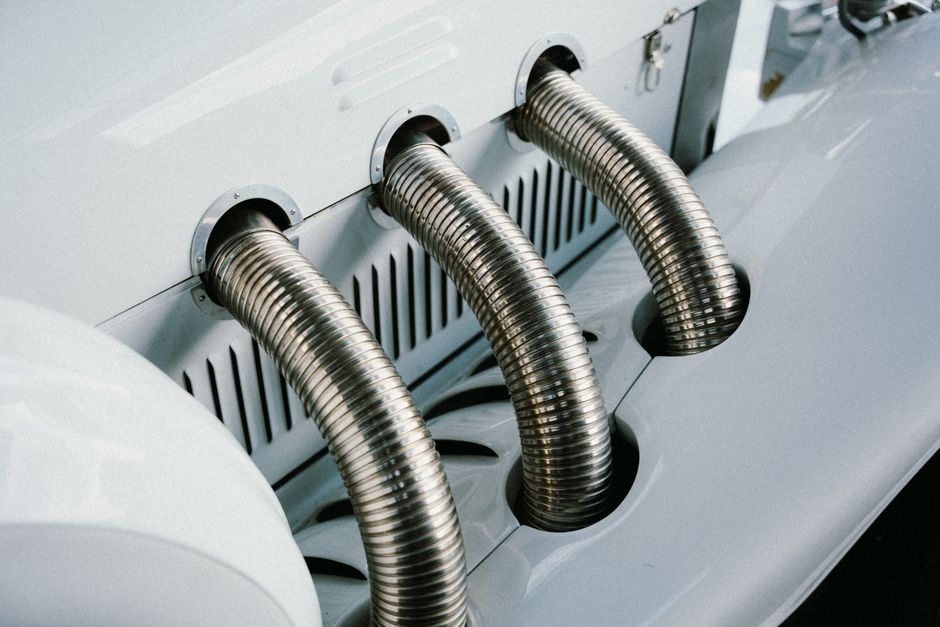
Stainless steel remains popular for its excellent corrosion resistance and more accessible pricing, particularly 304 and 316-grade materials. These alloys withstand the extreme temperatures generated by V12 engines while maintaining structural integrity over extended periods. Inconel, a nickel-chromium superalloy, appears in the most extreme applications, particularly in header and catalyst sections where temperatures exceed what even premium stainless steel can comfortably handle.
Carbon fiber components are increasingly integrated into modern exhaust designs, particularly for tips, heat shields, and decorative elements. Just as carbon fiber wheels reduce unsprung weight to improve handling, carbon fiber exhaust components contribute to overall weight reduction while adding a distinctive aesthetic that complements other performance upgrades.
The manufacturing process matters enormously for performance exhaust systems. CNC mandrel bending ensures consistent internal diameter throughout bends, preventing the flow restrictions inherent in compression-bent tubing. TIG welding provides superior joint strength and cleaner internal weld beads compared to MIG welding, reducing turbulence at connection points throughout the system.
Performance Gains and Power Optimization
Quantifying the performance gains from exhaust upgrades depends on multiple factors, including the baseline system, engine modifications, and tuning. Most V12-powered vehicles see gains ranging from 15-45 horsepower with a complete performance exhaust system, though the exact numbers vary considerably by application. Torque improvements across the RPM range often prove more noticeable during real-world driving than peak horsepower figures.

The relationship between exhaust upgrades and engine management tuning cannot be overstated. Modern V12 engines rely on sophisticated fuel injection and ignition mapping that accounts for expected backpressure levels. When you significantly alter exhaust flow characteristics, optimizing the engine calibration through professional tuning ensures you capture the full performance potential while maintaining reliability and drivability.
Headers or sports manifolds represent the most significant single upgrade opportunity in the exhaust flow path. Factory manifolds often compromise optimal design for packaging constraints and manufacturing economy. Performance headers position primary tubes for improved scavenging, typically using equal-length designs to balance cylinder-to-cylinder flow characteristics. Long-tube headers generally provide the greatest performance gains but may present installation challenges and ground clearance concerns on lower vehicles.
High-flow catalytic converters strike the crucial balance between emissions compliance and performance. Modern sport catalysts use higher cell-count substrates and precious metal coatings that maintain catalytic efficiency while flowing significantly more exhaust volume than factory units. In regions with strict emissions testing, selecting CARB-compliant or similarly certified components ensures your modifications remain street legal.
Sound Engineering and Acoustic Tuning
The auditory experience ranks among the most emotionally resonant aspects of V12 ownership. Performance exhaust systems allow you to sculpt that experience, whether you prefer a refined growl that announces presence without overwhelming conversation, or an unbridled roar that celebrates mechanical symphony at every throttle input.
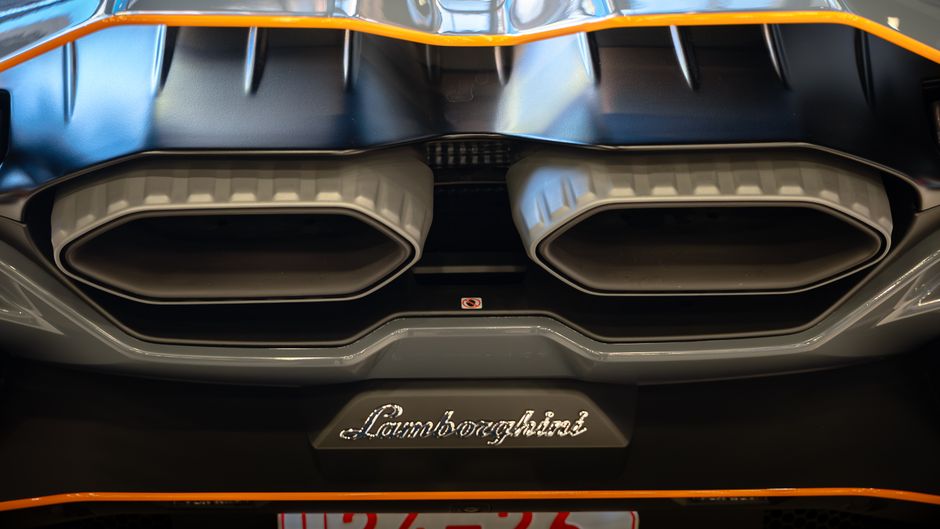
Resonator design and placement significantly influence exhaust tone quality. Helmholtz resonators target specific frequency ranges, eliminating drone that can make highway cruising fatiguing while preserving the desirable frequencies that give V12 engines their distinctive character. The firing intervals unique to V12 configurations create complex harmonic interactions that skilled exhaust designers can enhance through strategic resonator tuning.
X-pipes and H-pipes serve different acoustic and performance functions in dual-bank configurations typical of V12 engines. X-pipes generally produce a higher-pitched, more aggressive tone while providing slightly better scavenging characteristics. H-pipes create a deeper, more traditional muscle-car rumble. Many enthusiasts select based on tonal preferences, though subtle performance differences exist between designs.
Active exhaust systems with electronically controlled valves offer the best of all worlds, transforming from refined luxury cruiser to track-ready weapon at the push of a button. These systems integrate with vehicle driving modes, automatically adjusting valve positions based on selected settings. Some advanced systems even allow custom tuning through smartphone apps, giving owners unprecedented control over their vehicle's acoustic personality.
Integration with Complete Performance Upgrades
Performance exhaust systems deliver optimal results when considered as part of a comprehensive vehicle upgrade strategy. Just as forged and carbon fiber wheels reduce rotating mass to improve acceleration and handling, exhaust systems enhance engine breathing to increase available power. These modifications work synergistically to transform the overall driving experience.

Brake system upgrades become increasingly important as power levels rise. The enhanced performance from your exhaust system means higher speeds and more aggressive driving, placing greater demands on stopping power. Carbon ceramic brake rotors provide the fade-resistant, repeatable performance necessary to match your increased capability, particularly during track driving or spirited canyon runs.
Weight reduction remains a fundamental principle of performance enhancement. While exhaust systems contribute to this goal through lightweight material selection, complementary upgrades magnify the benefits. Every pound removed improves power-to-weight ratio, a critical metric for acceleration, handling, and overall dynamic capability. The compound effect of multiple weight-saving modifications often exceeds the sum of individual contributions.
Thermal management considerations grow more critical with performance upgrades. Increased exhaust flow means more heat energy passing through the system. Heat shields, ceramic coatings, and proper routing become essential to protect surrounding components. Upgraded performance brake systems also benefit from reduced heat soak when exhaust routing keeps hot gases away from brake components.
Installation Considerations and Professional Fitting
Professional installation by experienced technicians familiar with V12 applications cannot be overemphasized. These complex engines present unique challenges including limited access, intricate component routing, and sensitive electronics that require careful handling. What might be straightforward on a V8 often becomes significantly more involved on V12 platforms.
Ground clearance and approach angles deserve careful consideration, particularly on lowered vehicles or those equipped with aftermarket suspension. Performance exhaust systems sometimes position components lower than factory units, potentially creating scraping hazards on steep driveways or speed bumps. Reputable manufacturers account for these concerns in their designs, but verification during test fitting prevents unwelcome surprises.
Heat management extends beyond component protection to occupant comfort. Inadequate heat shielding can result in increased cabin temperatures and heat transfer to the trunk area. Quality installations incorporate proper thermal barriers and route components to minimize heat radiation toward the passenger compartment. Ceramic coating exhaust components, particularly headers and catalysts, significantly reduces radiant heat transfer.
Hangers, brackets, and mounting hardware quality determine long-term reliability and freedom from annoying rattles. Premium exhaust systems use polyurethane or solid mounts engineered to support system weight while isolating vibration. Cheap rubber hangers deteriorate quickly under the thermal cycling and vibration inherent in performance applications, leading to misalignment and contact with chassis components.
Explore related products and collections: Carbon Fiber Wheels for Porsche, Ferrari, AMG & Lamborghini | Players Club Cars, Forged & Carbon Fiber Wheels for Exotic & Luxury Vehicles | Players Club Cars, Carbon Ceramic Brake Rotors for AMG, Porsche, Lamborghini & Ferrari | Players Club Cars.
Conclusion
Performance exhaust systems represent one of the most impactful modifications available for V12 engine platforms, delivering measurable power gains, enhanced throttle response, and an intoxicating soundtrack that elevates every driving experience. Whether you prioritize maximum horsepower, refined acoustic character, or the perfect balance of both, modern exhaust technology offers solutions tailored to your specific preferences and performance goals.
Selecting the right system requires understanding your objectives, vehicle application, and how exhaust upgrades integrate with your broader performance strategy. The investment in a premium exhaust system pays dividends every time you start your engine, whether embarking on a spirited canyon drive, track day, or simply appreciating the mechanical artistry of V12 engineering during your daily commute.
At Players Club Cars, we understand that owners of V12-powered exotics demand components engineered to the same exacting standards as their vehicles. While we specialize in precision-manufactured carbon fiber wheels, forged wheel sets, and carbon ceramic brake systems, we share the commitment to performance excellence that drives enthusiasts to explore every avenue for improving their vehicles. When you combine a performance exhaust system with complementary upgrades including lightweight wheels and advanced braking technology, you create a comprehensively enhanced machine that delivers performance matching your passion. Speaking of enhancing aesthetics, you might be interested in exploring options like custom exterior modifications to truly make your vehicle stand out.