

Caring for Carbon Fiber Car Parts
Caring for Carbon Fiber Car Parts
Carbon fiber components represent the pinnacle of automotive engineering, combining exceptional strength-to-weight ratios with distinctive aesthetic appeal. Whether you've invested in carbon fiber wheels, aerodynamic body panels, or interior accents for your Ferrari, Lamborghini, Porsche, Mercedes-AMG, or Hummer EV, understanding proper maintenance techniques is essential for preserving both appearance and performance. These precision-engineered components demand specialized care to maintain their structural integrity and visual brilliance throughout years of ownership.
Unlike traditional automotive materials, carbon fiber requires specific cleaning methods, protective treatments, and handling considerations. The investment you've made in premium components deserves equally premium maintenance practices. This comprehensive guide provides luxury vehicle owners with expert insights into preserving carbon fiber parts, ensuring your high-performance upgrades continue delivering exceptional results while maintaining their showroom appearance.
Understanding Carbon Fiber Construction and Properties
Before implementing a maintenance regimen, understanding carbon fiber's unique characteristics helps inform proper care techniques. Carbon fiber consists of thousands of carbon atom filaments woven together and bonded with resin systems, creating a composite material that is stronger than steel yet significantly lighter. This construction provides tremendous rigidity and impact resistance, making it ideal for performance applications from lightweight wheels to structural body components.

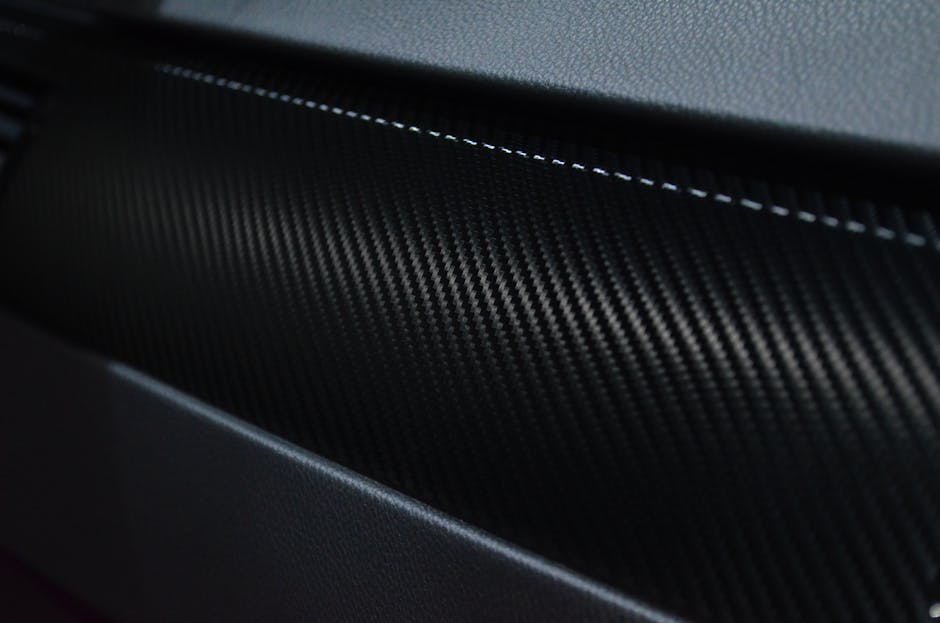
The visible weave pattern characteristic of carbon fiber results from the orientation of these carbon filaments. Multiple layers arranged in different directions provide multidirectional strength. The outermost resin layer protects underlying carbon layers from environmental exposure while providing the glossy finish associated with premium carbon fiber components. This clear coat requires careful maintenance to prevent scratches, oxidation, and UV damage that can compromise both appearance and protective properties.
Modern automotive carbon fiber typically features either an autoclave-cured or pre-preg construction for maximum quality. These manufacturing processes create void-free laminates with optimal resin-to-fiber ratios, resulting in components that are simultaneously lightweight, strong, and durable. The precision engineering behind these parts justifies the premium investment and necessitates maintenance practices that preserve these performance characteristics.
Essential Cleaning Techniques for Carbon Fiber Components
Regular cleaning forms the foundation of carbon fiber maintenance. However, aggressive cleaning products and techniques used on conventional automotive materials can damage carbon fiber's protective clear coat. Begin with a gentle pH-neutral automotive soap specifically formulated for delicate finishes. Avoid household detergents, degreasers, or alkaline cleaners that can degrade the resin system or strip protective coatings.

Use dedicated microfiber wash mitts rather than sponges or brushes that might trap abrasive particles. The two-bucket washing method minimizes contamination by keeping your wash mitt clean throughout the process. Fill one bucket with soapy water and another with clean rinse water. After washing a section, rinse your mitt in the clean water bucket before reloading with fresh soapy water. This simple technique prevents dragging dirt particles across sensitive carbon fiber surfaces.
When cleaning carbon ceramic brake rotors and surrounding carbon fiber wheel components, exercise particular care around brake dust accumulation. Brake dust contains metallic particles and adhesive compounds that bond aggressively to surfaces. Use dedicated wheel cleaners that are safe for carbon fiber, avoiding acidic formulations designed for conventional wheels. Apply cleaner, allow brief dwell time according to product instructions, then rinse thoroughly with moderate water pressure.
For dried contaminants or stubborn residue, never resort to scraping or abrasive cleaning. Instead, apply additional soap or specialized detailing spray and allow extended dwell time to soften deposits. Patience during cleaning prevents damage that aggressive scrubbing might cause. After washing, thoroughly rinse with filtered or deionized water when possible to prevent mineral deposits, then immediately dry using clean microfiber drying towels to prevent water spotting.
Protective Coatings and Long-Term Preservation
Beyond regular cleaning, protective treatments significantly extend carbon fiber component longevity and appearance. Premium automotive waxes provide temporary protection, but modern ceramic coatings offer superior durability and performance benefits. These nano-ceramic formulations chemically bond to the clear coat surface, creating a hydrophobic barrier that repels water, contaminants, and UV radiation while enhancing gloss and depth.
Before applying protective coatings, thoroughly decontaminate carbon fiber surfaces. Clay bar treatment removes embedded contaminants that washing alone cannot address. Gently glide a quality clay bar across lubricated surfaces, feeling for roughness that indicates bonded contamination. This process creates an ultra-smooth surface that maximizes coating adhesion and effectiveness. Follow with isopropyl alcohol wipe-down to remove any remaining oils or residues.
When selecting protective products, verify compatibility with carbon fiber and clear coat finishes. Professional-grade ceramic coatings require specific application conditions including controlled temperature, humidity, and proper surface preparation. Many luxury vehicle owners opt for professional installation to ensure optimal results and warranty coverage. Properly applied ceramic coatings can last multiple years, providing continuous protection against environmental damage, oxidation, and minor scratching.
For exposed carbon fiber without clear coating, specialized penetrating sealants designed for raw carbon fiber maintain the material's natural appearance while providing moisture and UV protection. These products penetrate the carbon weave and resin system, preventing moisture intrusion that could cause delamination or structural degradation over time. Reapply these sealants according to manufacturer recommendations, typically every few months depending on exposure conditions.
Addressing Damage and Repair Considerations
Despite careful maintenance, carbon fiber components may experience minor damage from road debris, parking incidents, or normal wear. Addressing damage promptly prevents progression and maintains structural integrity. Surface scratches limited to the clear coat often respond to careful polishing with fine-grade automotive polish and foam applicator pads. Work gently in small circular motions, applying minimal pressure to level the clear coat around scratches.
Deep scratches penetrating through clear coat to carbon fiber weave require professional assessment. Exposed carbon fiber can absorb moisture and contaminants, potentially compromising structural properties. Professional refinishing involves controlled sanding, resin application, and clear coat refinishing to restore protection and appearance. Never attempt deep repairs without proper training and materials, as improper techniques can worsen damage or create safety hazards, particularly with structural components.
Monitor carbon fiber parts regularly for signs of delamination, which appears as bubbling, lifting, or separation between carbon layers. Delamination typically results from impact damage, manufacturing defects, or moisture intrusion. Components showing delamination should be professionally evaluated and potentially replaced, as compromised structural integrity affects performance and safety. This consideration is particularly critical for high-performance brake components and wheels where structural failure poses significant safety risks.
Stone chips and minor impact damage on carbon fiber body panels may be addressed with touch-up procedures. Clear coat-safe touch-up products help seal exposed areas while maintaining appearance. However, visible weave disruption or fiber breakage indicates structural damage requiring professional repair or replacement. The specialized nature of carbon fiber repair makes prevention through protective films and careful operation the preferred approach.
Environmental Protection and Storage Practices
Environmental factors significantly impact carbon fiber longevity. Prolonged UV exposure causes clear coat oxidation, yellowing, and eventual hazing that diminishes appearance and protective properties. Whenever possible, store vehicles with carbon fiber components in climate-controlled garages away from direct sunlight. When outdoor storage is unavoidable, quality car covers specifically designed for luxury vehicles provide essential protection against UV radiation, moisture, and airborne contaminants.
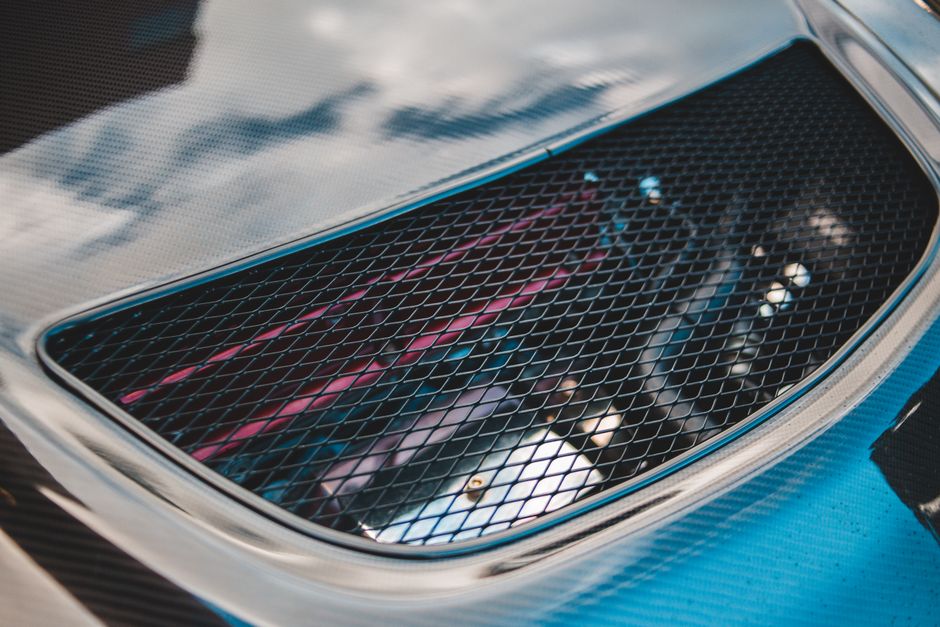
Temperature extremes affect carbon fiber differently than conventional materials. While the carbon fiber itself exhibits excellent thermal stability, the resin systems binding carbon layers can experience expansion and contraction with temperature fluctuations. Gradual temperature changes present minimal concern, but extreme rapid temperature swings may stress resin bonds. Climate-controlled storage maintains stable conditions that optimize component longevity and performance consistency.
Humidity control prevents moisture-related degradation. While properly sealed carbon fiber resists moisture penetration, compromised clear coats or exposed edges provide entry points for water intrusion. Dehumidifiers in storage areas maintain optimal conditions, particularly in coastal or high-humidity climates. For vehicles in long-term storage, periodic inspection ensures early detection of any moisture-related issues.
Winter storage requires additional considerations. Road salt and chemical deicers are particularly aggressive toward carbon fiber clear coats and exposed weave. Thoroughly clean all carbon fiber components before winter storage, removing any salt residue or chemical contamination. Apply fresh protective coatings to maximize defense against corrosive substances. If driving during winter months, increase washing frequency and immediately remove salt accumulation to prevent chemical damage.
Specialized Maintenance for Performance Components
Carbon fiber performance components like wheels and brake system parts require specialized maintenance beyond basic cosmetic care. Carbon fiber wheels combine aesthetic appeal with weight reduction benefits that improve acceleration, braking, and handling dynamics. These wheels demand regular inspection for structural integrity, focusing on spoke connections, barrel joints, and mounting surfaces. Any cracks, deformation, or unusual wear patterns warrant immediate professional evaluation.
Proper torque specifications are critical when mounting carbon fiber wheels. Over-tightening can create stress concentrations leading to crack formation, while under-tightening risks loosening during operation. Use calibrated torque wrenches set to manufacturer specifications, typically different from conventional wheel requirements. Verify torque settings after initial installation and periodically during ownership to maintain proper clamping force.
Carbon ceramic brake rotors paired with carbon fiber wheels represent premium braking technology requiring specific break-in and maintenance procedures. Initial bedding-in establishes proper pad-to-rotor mating for optimal performance. Follow manufacturer bedding procedures precisely, as improper break-in affects braking performance and rotor longevity. During normal operation, carbon ceramic systems perform optimally at elevated temperatures, so short trips may not fully warm rotors, potentially leading to uneven pad deposits.
Inspect brake components regularly for unusual wear patterns, cracks, or thermal damage. While carbon ceramic rotors offer exceptional durability and fade resistance compared to conventional iron rotors, they require compatible pad compounds and proper operating techniques. Avoid excessive heat cycling and follow recommended service intervals. Professional inspection ensures these critical safety components maintain their performance capabilities throughout their service life.
Professional Maintenance and Expert Resources
While dedicated owners can perform much carbon fiber maintenance themselves, professional services provide valuable expertise for complex procedures and structural assessments. Specialized detailing professionals experienced with exotic vehicles understand the nuances of carbon fiber care, offering services from ceramic coating application to paint correction specifically adapted for carbon fiber clear coats. These professionals possess specialized tools, controlled environments, and refined techniques that optimize results.
For structural components and performance parts, relationships with qualified technicians familiar with your specific vehicle platform prove invaluable. These specialists understand manufacturer specifications, proper torque values, inspection criteria, and replacement intervals for carbon fiber components. They can identify developing issues before they compromise safety or performance, providing peace of mind that your investment receives appropriate care.
Just as maintaining physical fitness requires understanding proper exercise techniques and consistency—as outlined in resources from the CDC physical activity guidance—maintaining carbon fiber components demands knowledge and regular attention. The discipline and consistency required for effective vehicle maintenance parallels the commitment to physical health emphasized in professional guidelines.
Manufacturer-specific maintenance schedules provide baseline guidance, but operating conditions influence service needs. Track day usage, high-mileage driving, or harsh environmental conditions accelerate wear and necessitate more frequent inspection and service. Document all maintenance activities, creating comprehensive service records that enhance resale value while ensuring nothing is overlooked.
Conclusion
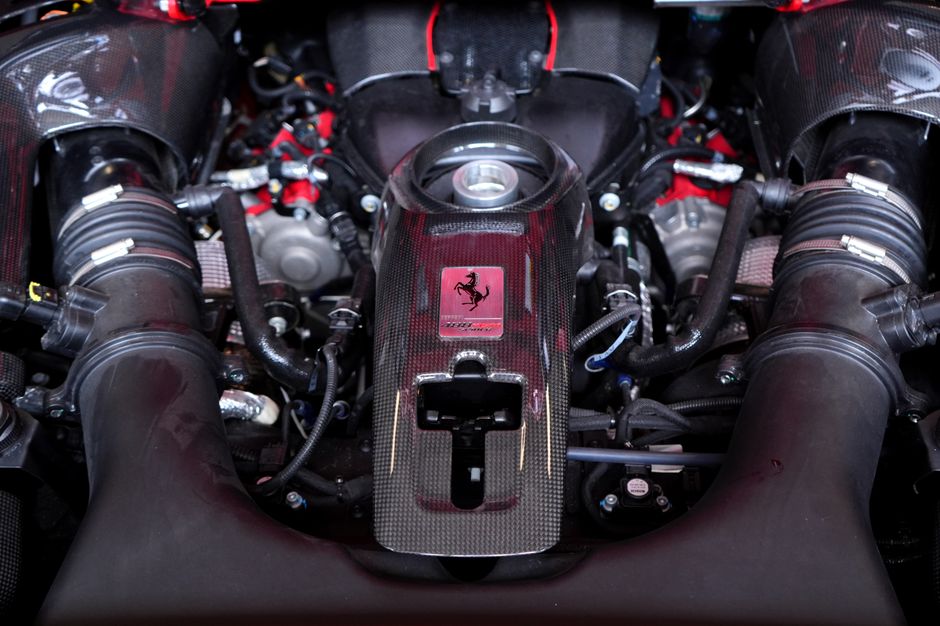
Caring for carbon fiber car parts represents an investment in preserving the performance, appearance, and value of premium automotive components. Whether you're enhancing your Audi R8 aerodynamics with specialized parts or investing in carbon fiber engine bay accents for sports cars, knowing how to clean and protect these components is crucial. Through proper cleaning techniques, protective treatments, environmental protection, and regular inspection, these precision-engineered parts maintain their exceptional characteristics throughout years of ownership. The specialized nature of carbon fiber demands informed maintenance practices that respect the material's unique properties while maximizing longevity.
Whether you're maintaining aerodynamic body panels like those found in carbon fiber body kits for luxury cars, lightweight wheels, or advanced brake systems on your Ferrari, Lamborghini, Porsche, Mercedes-AMG, or Hummer EV, the principles outlined in this guide provide the foundation for effective care. Combine regular attention with professional expertise when needed, ensuring your carbon fiber components continue delivering the performance benefits and visual impact that justified their selection. With proper maintenance, these remarkable components will reward your investment with enduring beauty and uncompromising performance for years to come.